The Best 75-Inch TVs: OLED vs QLED and Mini-LED
The best big-screen TVs around 75 inches, compared on official specs: the LG OLED evo C6 and Samsung S90H OLED at 77 inches, and the TCL QM8L and Samsung Neo QLED QN80H Mini-LED at 75 inches, plus OLED vs QLED and how far to sit.
We may earn a commission when you buy through links on this page. Learn more
Quick answer
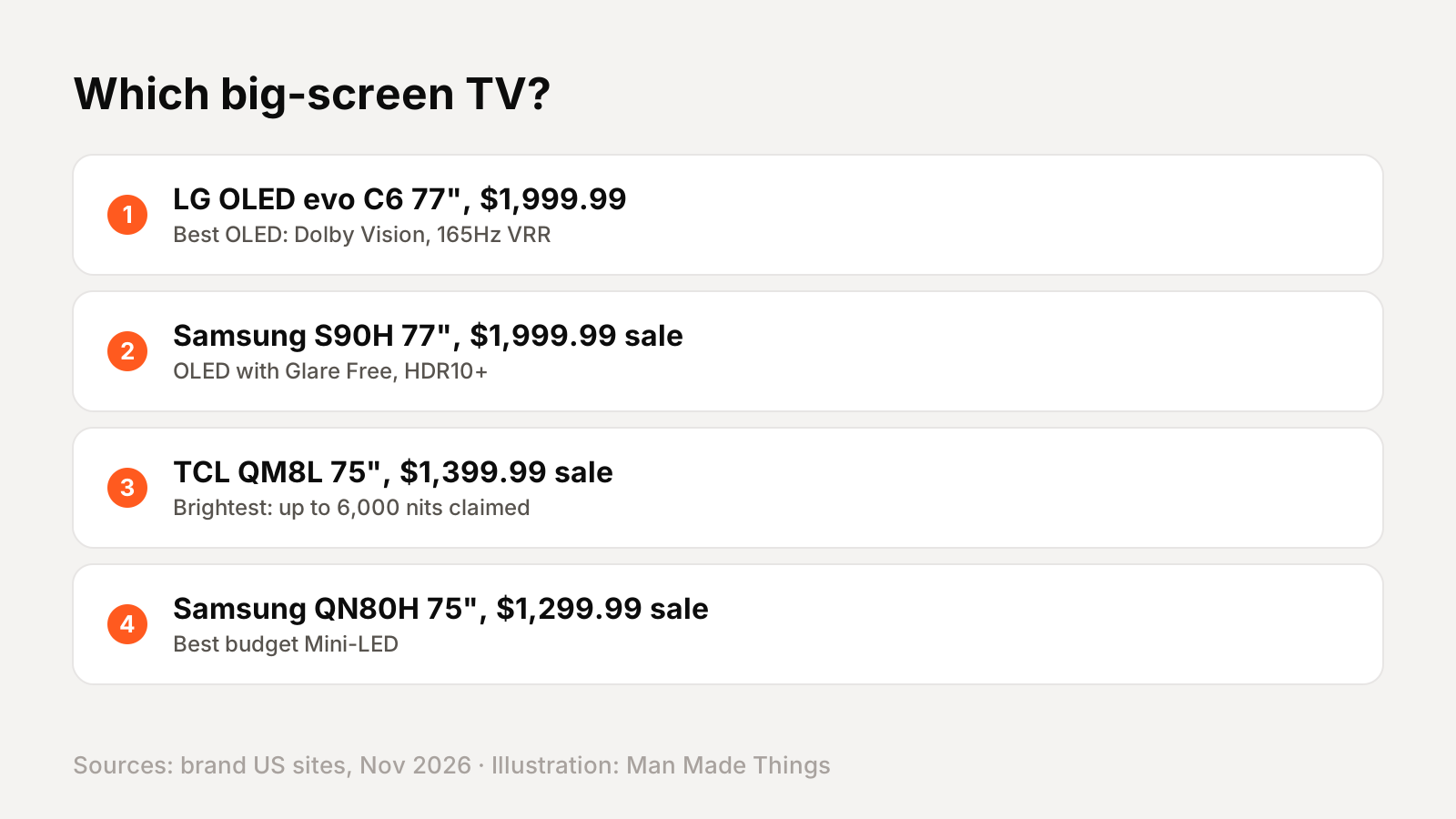
For the best picture, get an OLED: the 77-inch LG OLED evo C6 ($1,999.99) adds Dolby Vision and a 165Hz VRR mode, and the 77-inch Samsung S90H ($1,999.99 on sale) adds Glare Free and HDR10+. For a bright room or a lower price, get a 75-inch Mini-LED: the TCL QM8L ($1,399.99 on sale) claims up to 6,000 nits and 4,000 dimming zones, and the Samsung Neo QLED QN80H ($1,299.99 on sale) is the most affordable.
A 75-inch TV is the sweet spot for a lot of living rooms: big enough to feel like a home theater, but still a size most rooms and budgets can handle. The big decision is the panel type: OLED or QLED/Mini-LED.
One thing to know up front: OLED TVs usually aren't made in 75 inches. LG and Samsung sell their OLEDs in 77 inches instead, so I've included the 77-inch models for OLED and 75-inch models for Mini-LED. They're close enough in size that the choice comes down to picture technology and your room.
All prices and specs come from each brand's official US product pages as of November 2026. Prices were Black Friday sale prices when I checked, so they may change. I couldn't access Sony's US site, so Sony isn't included. These are research-based picks with no star scores. Building out a home theater? See our best floorstanding speakers guide.
Our picks at a glance
1. Best OLED
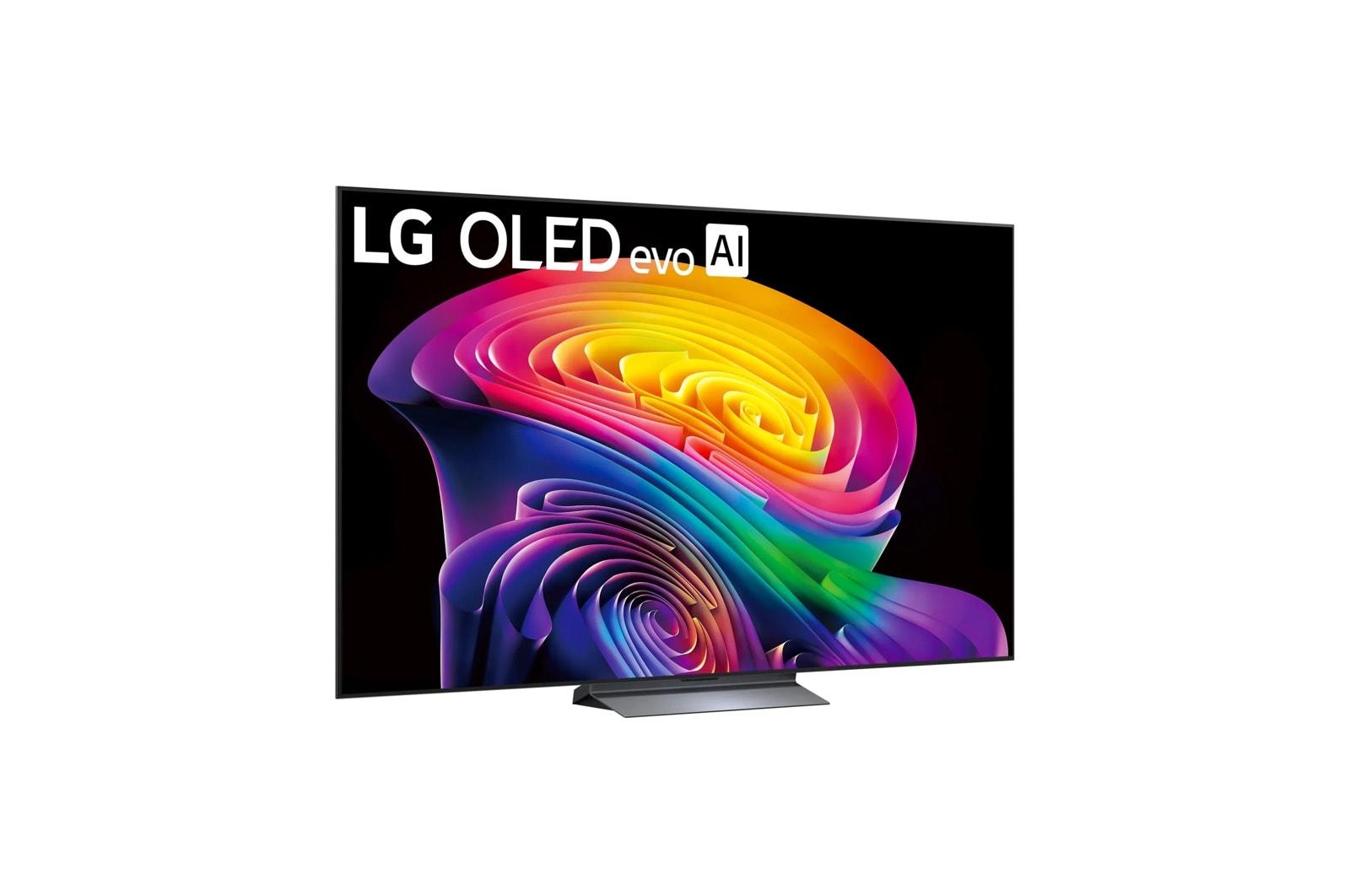
LG OLED evo C6 77" (OLED77C6HUP)
LG's 2026 C6 is the best all-round big-screen TV here. LG lists the 77-inch model at $1,999.99, marked as a Black Friday price.
As an OLED, each of its pixels lights itself, which LG says delivers Perfect Black, verified by UL at 0.24 nit or less in up to 500 lux of room light. LG's new Brightness Booster Pro, it says, makes the C6 up to 3.2 times brighter than LG's α8-based B6, and an Intertek-certified reflection-free screen helps in brighter rooms.
It's an excellent gaming TV: LG lists a native 120Hz panel with a 165Hz VRR mode for PCs, G-Sync and FreeSync Premium support, and four HDMI ports that all support 4K 120Hz, VRR and ALLM. It supports Dolby Vision, and LG's α11 Gen3 processor powers upscaling and virtual 11.1.2 sound. It runs webOS 26 and comes with LG's AI Magic Remote. LG also sells the C6 in 65 inches ($1,399.99) and 83 inches ($3,299.99).
Pros
- 01Self-lit pixels with Perfect Black
- 02Dolby Vision support
- 03Four 4K 120Hz HDMI ports
- 04165Hz VRR for PC gaming
Cons
- 0177" rather than 75"
- 02No HDR10+
- 031-year warranty
| Panel | 4K OLED evo, self-lit pixels |
|---|---|
| Processor | α11 AI Processor 4K Gen3 |
| Refresh | 120Hz native (VRR 165Hz) |
| HDR | Dolby Vision, HDR10, HLG |
| HDMI | 4 × 4K 120Hz, eARC, VRR, ALLM |
| OS | webOS 26 |
| Weight | 59.5 lb with stand |
2. Best OLED for bright rooms
Samsung OLED S90H 77" (QN77S90HAEXZA)
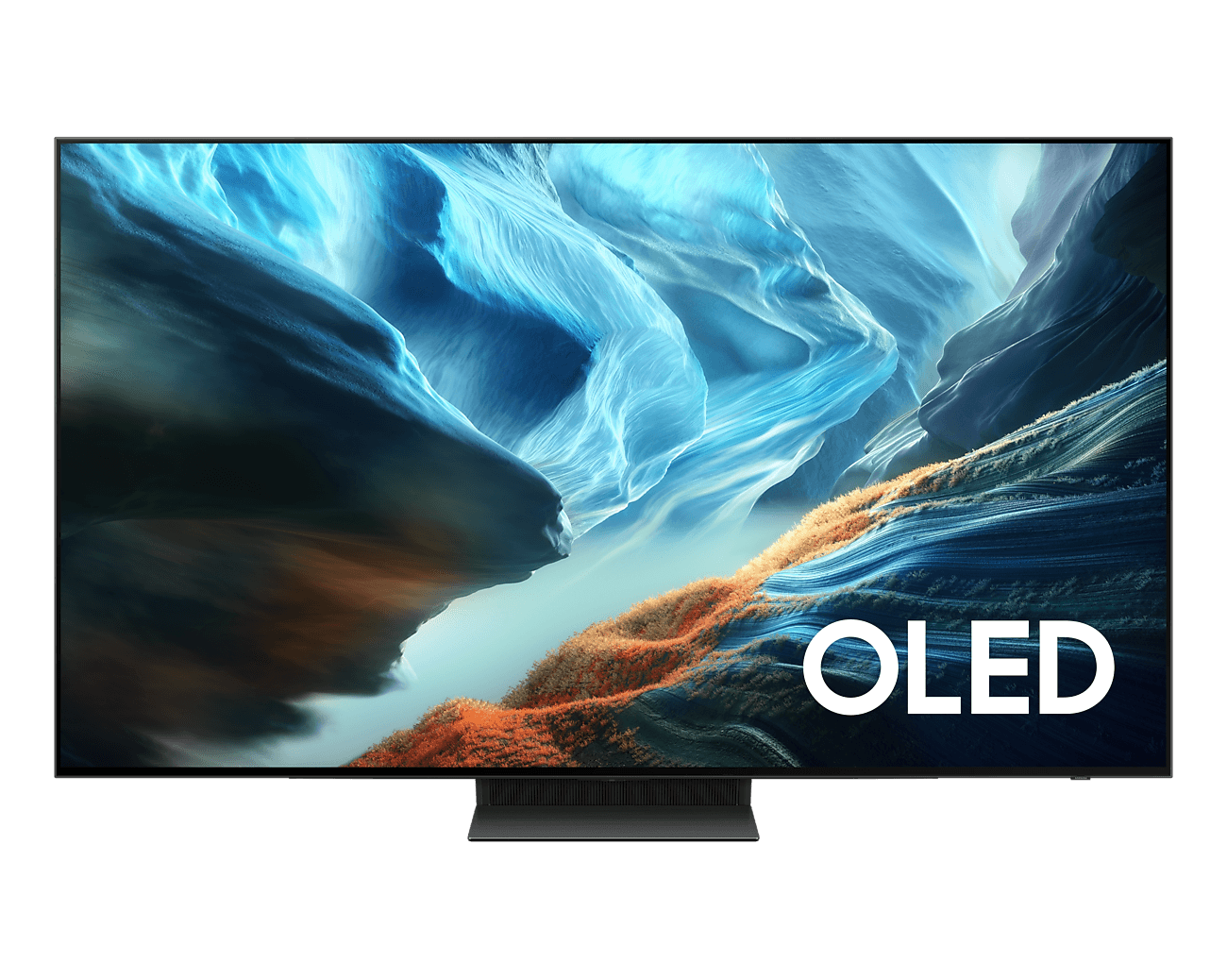
Samsung's S90H is a strong OLED alternative, and its standout feature is Glare Free, which Samsung says eliminates distracting reflections, making it a better OLED for rooms with windows. Samsung listed it at $1,999.99 on sale, down from $3,699.99.
Like any OLED, it uses self-illuminating pixels for precise contrast, and Samsung says its colors are Pantone Validated. It's powered by Samsung's NQ4 AI Gen3 processor.
For gaming, Samsung lists a 165Hz refresh rate with VRR, and all four HDMI ports support up to 4K 165Hz; Samsung notes 4K 165Hz needs a PC. It supports HDR10+ in Adaptive and Gaming modes; Samsung doesn't list Dolby Vision. It runs Samsung's Tizen with seven years of OS upgrades, and has Wi-Fi 6E and Bluetooth 5.3. If you want Samsung's best OLED, the S95H 77-inch was $3,499.99 on sale.
Pros
- 01Glare Free anti-reflection
- 02165Hz on all four HDMI ports
- 03HDR10+ support
- 047 years of OS upgrades
Cons
- 01No Dolby Vision
- 02Heavier at 75.4 lb
- 03Price depends on sales
| Panel | 4K OLED, Glare Free |
|---|---|
| Processor | NQ4 AI Gen3 |
| Refresh | 165Hz with VRR |
| HDR | HDR10+ (Adaptive, Gaming) |
| HDMI | 4 × 4K 165Hz, eARC |
| OS | Tizen, 7 years of OS upgrades |
| Weight | 75.4 lb with stand |
3. Brightest
TCL QM8L SQD-Mini LED 75" (75QM8L)
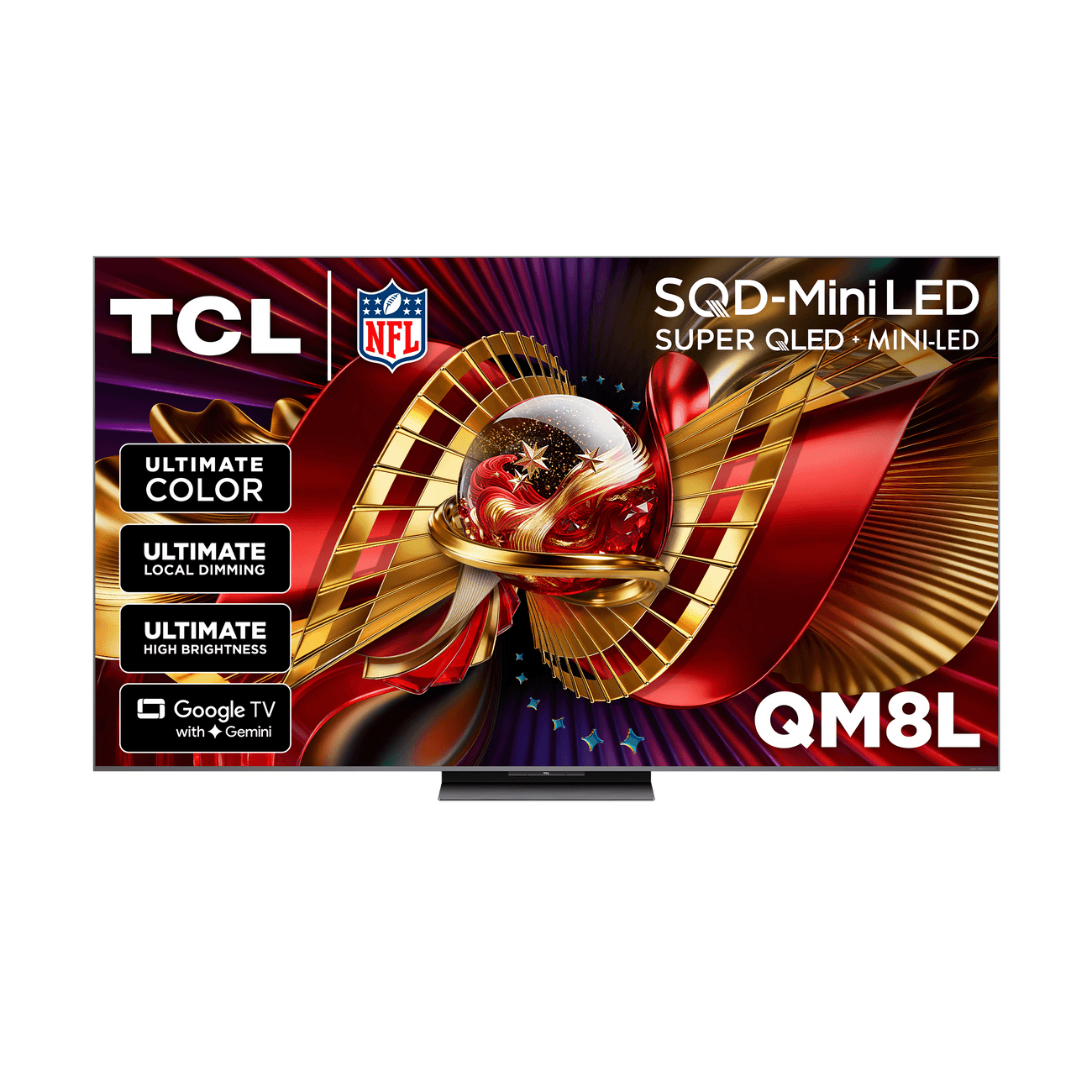
If your room is bright or you want maximum punch, TCL's QM8L is built for it. TCL claims up to 6,000 peak nits and up to 4,000 discrete dimming zones from its SQD-Mini LED backlight, and 100% BT.2020 color. TCL listed the 75-inch at $1,399.99 on sale, down from $2,999.99.
It supports every major HDR format: Dolby Vision IQ, HDR10+, HDR10 and HLG, plus IMAX Enhanced and Filmmaker Mode, so you get the best version of whatever you're watching. TCL says its ZeroBorder panel is anti-reflective, which also helps in bright rooms.
For gaming, it has a native 144Hz panel, four HDMI 2.1 ports at 4K 144Hz, VRR, ALLM and FreeSync Premium Pro. Audio is by Bang & Olufsen with Dolby Atmos, and it runs Google TV with Wi-Fi 6 and an ATSC 3.0 tuner. One caution: TCL's page showed some sizes as unavailable when I checked, so confirm stock.
Pros
- 01Up to 6,000 nits and 4,000 zones (TCL claims)
- 02Dolby Vision and HDR10+
- 03Four HDMI 2.1 at 144Hz
- 04Best value for its size
Cons
- 01Mini-LED can't match OLED's per-pixel black
- 02Stock may vary
| Panel | SQD-Mini LED QLED, WHVA 2.0 |
|---|---|
| Brightness | Up to 6,000 peak nits |
| Dimming | Up to 4,000 zones |
| Refresh | 144Hz native |
| HDR | Dolby Vision IQ, HDR10+, HDR10, HLG |
| HDMI | 4 × HDMI 2.1 (4K 144Hz) |
| OS | Google TV |
4. Best budget
Samsung Neo QLED QN80H 75" (QN75QN80HAFXZA)
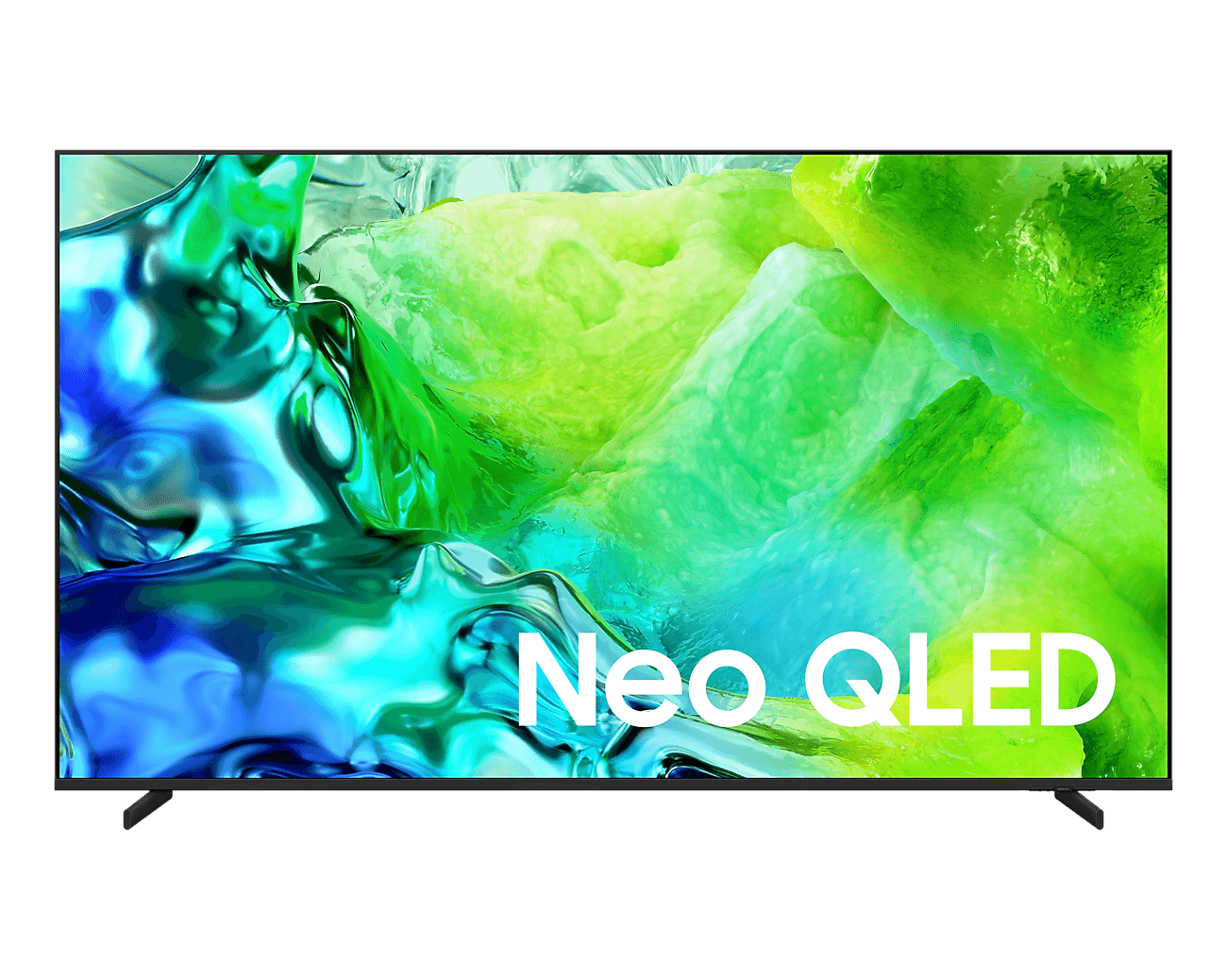
Samsung's Neo QLED QN80H is the most affordable TV here, at $1,299.99 on sale, down from $1,999.99. It's the highest 2026 Neo QLED model on Samsung's US 75-inch size selector.
It uses a Quantum Mini LED full-array backlight with Quantum Dot color, which Samsung says delivers 100% Color Volume, and its colors are Pantone Validated. Samsung's NQ4 AI Gen2 processor handles 4K upscaling, AI Color Booster Pro and Auto HDR Remastering, which converts standard content to HDR-like quality.
Gaming is well covered: Samsung's Motion Xcelerator 144Hz with VRR, and four HDMI ports that support up to 4K 144Hz (with a PC). It supports HDR10+; Samsung doesn't list Dolby Vision. It's also the lightest TV here at 51.8 pounds with the stand, and comes with seven years of Tizen OS updates. Samsung doesn't publish a dimming zone count.
Pros
- 01Lowest price at $1,299.99 on sale
- 02144Hz with VRR on four HDMI
- 03Lightest at 51.8 lb
- 047 years of OS updates
Cons
- 01No Dolby Vision
- 02Dimming zone count not published
- 032-channel speakers
| Panel | Quantum Mini LED, full array |
|---|---|
| Processor | NQ4 AI Gen2 |
| Refresh | 144Hz with VRR |
| HDR | HDR10+ (Adaptive, Gaming) |
| HDMI | 4 × 4K 144Hz |
| OS | Tizen, 7 years of OS updates |
| Weight | 51.8 lb with stand |
OLED vs QLED and Mini-LED, explained
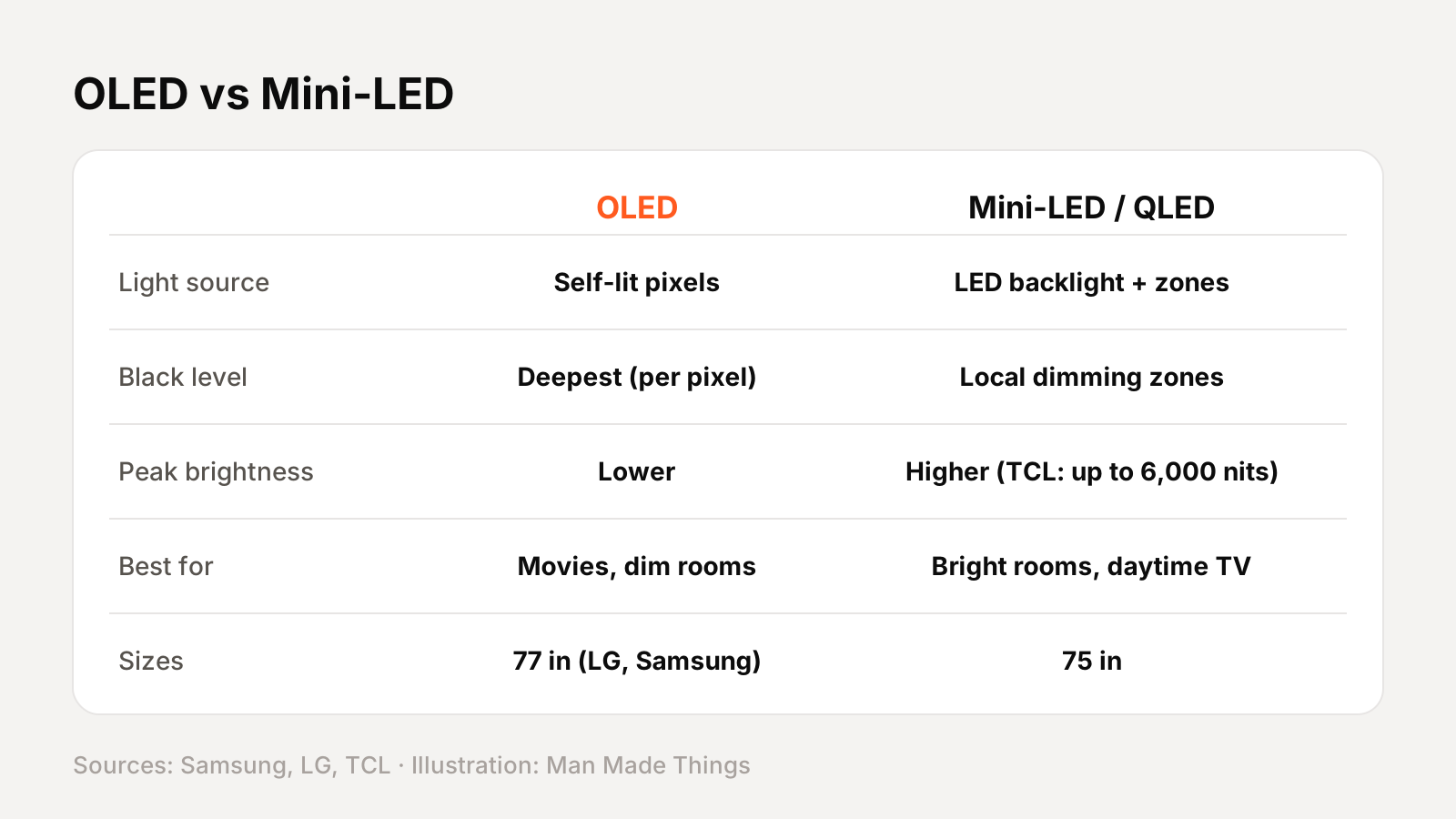
The two technologies make light in completely different ways.
OLED: each pixel produces its own light. Samsung explains that in OLED, each pixel is individually lit, allowing for deep black levels. LG says its C6 has over 8.3 million self-lit pixels with what it calls Perfect Black.
QLED and Mini-LED: these use an LCD panel lit by a backlight. Samsung explains that Mini LED uses smaller LED lights, which delivers higher peak brightness, and that local dimming zones help to minimize light leakage. TCL's QM8L, for example, claims up to 4,000 zones.
What this means in practice:
- OLED is best for movies in dim rooms, with the deepest blacks and contrast.
- Mini-LED is best for bright rooms and daytime sports, because it can get brighter, and it often costs less at large sizes.
Anti-glare screens narrow the gap: Samsung's S90H has Glare Free, and LG's C6 has a reflection-free certification.
How far should you sit from a 75-inch TV?
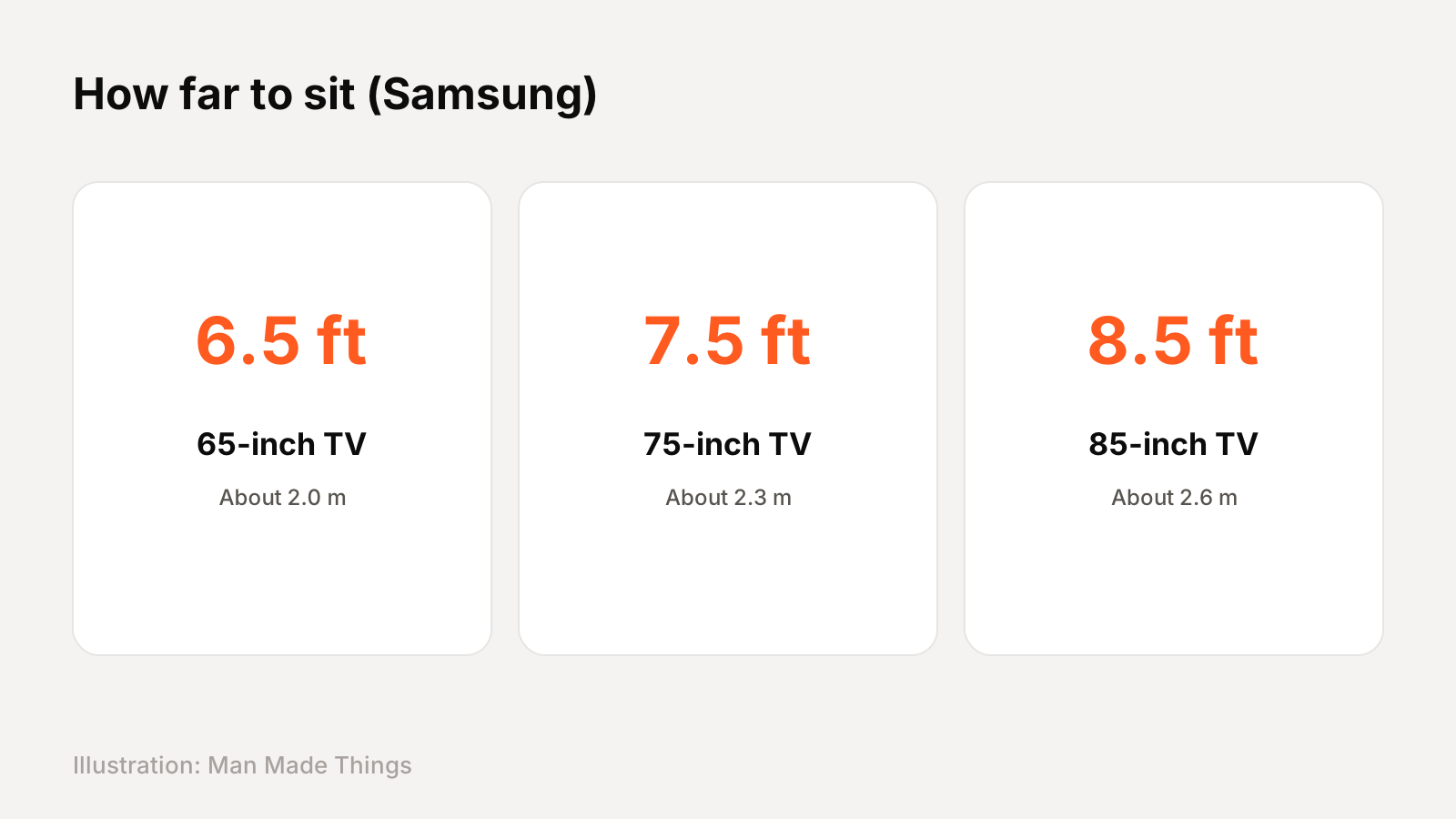
Samsung's TV size guide recommends a viewing distance of about 7.5 feet (2.3 meters) for a 75-inch TV, based on a 40-degree viewing angle. For comparison, it suggests about 6.5 feet for a 65-inch and 8.5 feet for an 85-inch.
If your couch is 7 to 8 feet from the wall where the TV goes, a 75- or 77-inch TV is a great fit.
Check the space, too. A 75-inch TV is big: the TCL QM8L is 65.3 inches wide, and the 77-inch LG C6 is 67.4 inches wide. Measure your TV stand or wall, and check whether the TV's feet fit your furniture. For wall mounting, Samsung lists a 400 by 300mm VESA pattern on the S90H.
Want to fill the room with sound to match? A pair of good speakers or a soundbar makes a big difference; see our best bookshelf speakers under $500.
HDR, gaming and which TV to buy
HDR formats matter for streaming. Streaming services and discs use different HDR formats. LG lists Dolby Vision; Samsung lists HDR10+; TCL lists both. If you watch a lot of Dolby Vision content, the LG or TCL is the better choice.
Gaming: all four have four HDMI ports with 4K at 120Hz or higher, VRR and low-latency modes. LG and Samsung's S90H go up to 165Hz with a PC; TCL and the QN80H reach 144Hz.
Our picks:
- Best OLED: LG OLED evo C6 77" ($1,999.99) for Dolby Vision and perfect blacks.
- Best OLED for bright rooms: Samsung S90H 77" ($1,999.99 on sale) for Glare Free.
- Brightest: TCL QM8L 75" ($1,399.99 on sale) for up to 6,000 nits and every HDR format.
- Best budget: Samsung Neo QLED QN80H 75" ($1,299.99 on sale).
Smart home fan? Our Matter and Thread explained guide covers connecting your TV to the rest of your home.
Frequently asked questions
Are there 75-inch OLED TVs?
+
LG and Samsung sell their OLEDs in 77 inches instead of 75, like the LG C6 77" and Samsung S90H 77".
Is OLED or QLED better for a bright room?
+
Mini-LED QLEDs usually get brighter, like TCL's QM8L at up to 6,000 nits. Samsung's S90H OLED adds Glare Free to help in bright rooms.
How far should you sit from a 75-inch TV?
+
Samsung recommends about 7.5 feet (2.3 m) for a 75-inch TV.
Do Samsung TVs support Dolby Vision?
+
Samsung lists HDR10+, not Dolby Vision, for the S90H and QN80H. LG lists Dolby Vision, and TCL's QM8L lists both.
Sources
Editor-in-Chief
Rahul has been writing about gadgets and software since 2013, first at Thetechhacker and now at Man Made Things. He edits every review on the site and signs off on every verdict.
More from Rahul →