Cherry Gaming Keyboards: Every Current CHERRY XTRFY and MX Model Compared
A guide to every Cherry gaming keyboard on Cherry's US site: magnetic TMR boards, low-profile MX boards, TKL, compact and full-size MX keyboards, with key differences and which to buy.
We may earn a commission when you buy through links on this page. Learn more
Quick answer
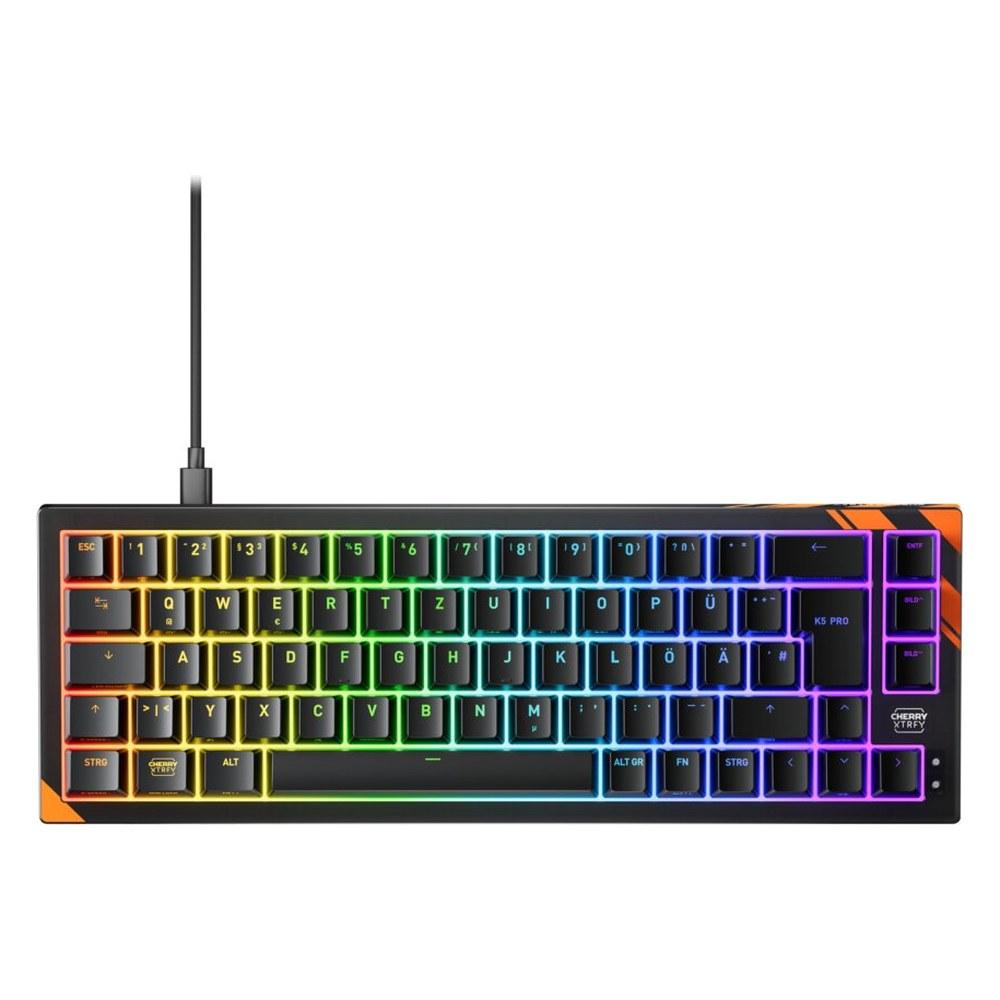
Cherry's US site lists 15 gaming keyboards. The K5 Pro TMR Compact and MX 8.2 Pro TMR Wireless have magnetic switches with Rapid Trigger; the K63W Pro uses Ultra-Wideband wireless; the MX 8.3 TKL Wireless is the premium mechanical pick; and the MX 3.1, MX 3.0S, MX Board 3.0S and MX 2.0S are classic full-size boards with genuine Cherry MX switches. Cherry doesn't publish US prices.
Cherry makes the MX switches found in keyboards from many other brands, and it sells its own gaming keyboards under the CHERRY XTRFY and CHERRY MX names. This guide sorts all 15 current gaming keyboards on Cherry's US site, using Cherry's own product pages and properties tables.
Cherry doesn't sell direct in the US or publish US prices, so you'll need to check retailers for pricing. A note on how we review: we haven't completed hands-on tests of these keyboards, so there are no star ratings.
Every Cherry gaming keyboard we reviewed
Cherry doesn't publish US prices, so this table compares size, switches and connection. Click any model for its full review.
| Model | Size | Switches | Connection |
|---|---|---|---|
| K5 Pro TMR Compact | 65% | CHERRY MK Crystal magnetic | Wired |
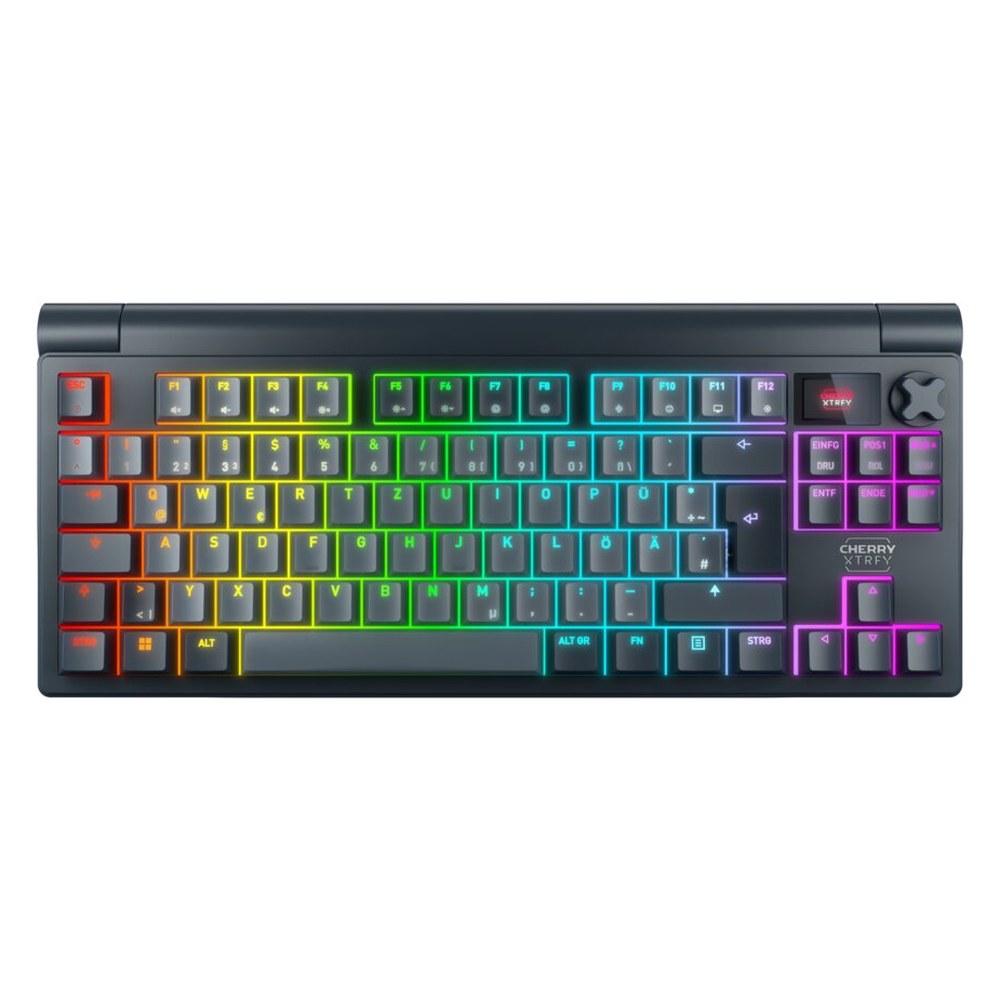
| MX 8.2 Pro TMR Wireless | Tenkeyless (TKL) | CHERRY MK Crystal magnetic | Wireless |
| K63W Pro Compact Ultra-Wideband | 70% | CHERRY MX Low Profile 2.0 Red | Wireless |
| MX 10.1 Wireless | Full size | CHERRY MX Low Profile 2.0 Ivory | Wireless |
| MX 10.0N RGB | Full size | CHERRY MX Low Profile RGB Speed | Wired |
| MX-LP 2.1 Compact Wireless | 65% | CHERRY MX Low Profile | Wireless |
| MX 8.3 TKL Wireless | Tenkeyless (TKL) | CHERRY MX2A Red | Wireless |
| MX 8.2 TKL Wireless | Tenkeyless (TKL) | CHERRY MX2A or MX | Wireless |
| K4V2 RGB TKL | Tenkeyless (TKL) | CHERRY MX2A Red | Wired |
| K5V2 Compact | 65% | CHERRY MX2A Red | Wired |
| K33 Compact Wireless | 75% | Mem-chanical | Wireless |
| MX 3.1 | Full size | CHERRY MX2A | Wired |
| MX 3.0S Wireless | Full size | CHERRY MX2A or MX | Wireless |
| MX BOARD 3.0S | Full size | CHERRY MX | Wired |
| MX 2.0S | Full size | CHERRY MX or MX2A | Wired |
Magnetic (TMR) keyboards
Cherry's magnetic keyboards use CHERRY MK Crystal switches with TMR sensing, adjustable actuation and Rapid Trigger.
| Model | Size | Switches | Connection |
|---|---|---|---|
| K5 Pro TMR Compact | 65% | CHERRY MK Crystal magnetic | Wired |
| MX 8.2 Pro TMR Wireless | Tenkeyless (TKL) | CHERRY MK Crystal magnetic | Wireless |
The MX 8.2 Pro TMR also accepts mechanical switches.
Low-profile keyboards
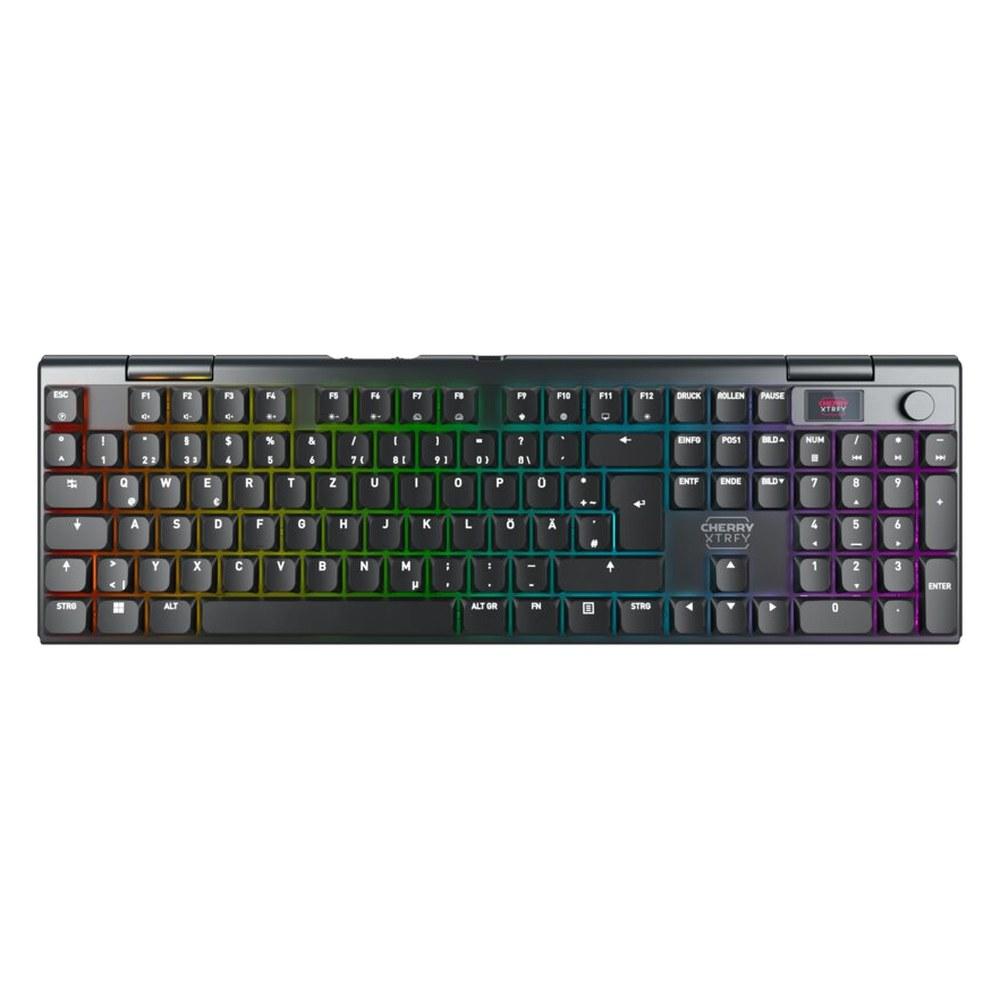
Cherry's low-profile boards use CHERRY MX Low Profile switches, from the flat wired MX 10.0N RGB to the Ultra-Wideband K63W Pro.
| Model | Size | Switches | Connection |
|---|---|---|---|
| K63W Pro Compact Ultra-Wideband | 70% | CHERRY MX Low Profile 2.0 Red | Wireless |
| MX 10.1 Wireless | Full size | CHERRY MX Low Profile 2.0 Ivory | Wireless |
| MX 10.0N RGB | Full size | CHERRY MX Low Profile RGB Speed | Wired |
| MX-LP 2.1 Compact Wireless | 65% | CHERRY MX Low Profile | Wireless |
TKL keyboards
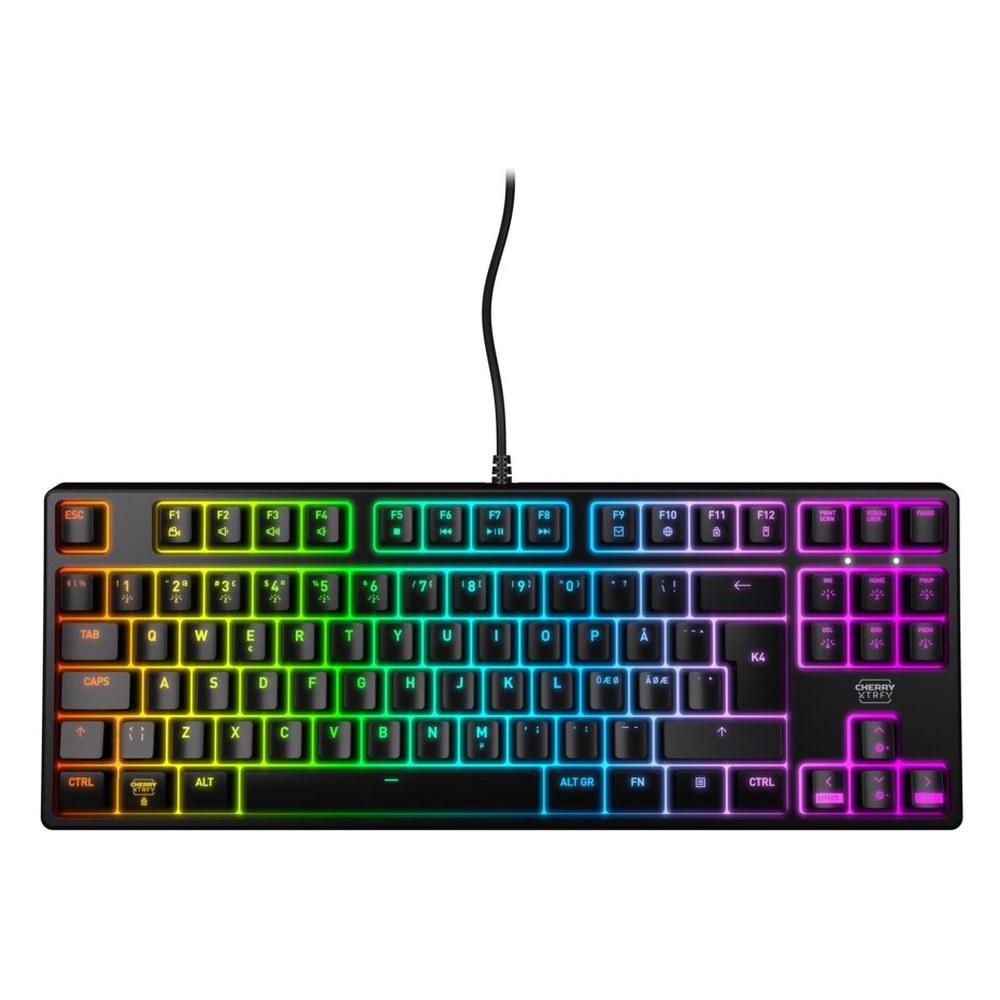
Cherry's TKL boards range from the simple wired K4V2 to the hot-swappable MX 8.3 TKL Wireless with an LCD.
| Model | Size | Switches | Connection |
|---|---|---|---|
| MX 8.3 TKL Wireless | Tenkeyless (TKL) | CHERRY MX2A Red | Wireless |
| MX 8.2 TKL Wireless | Tenkeyless (TKL) | CHERRY MX2A or MX | Wireless |
| K4V2 RGB TKL | Tenkeyless (TKL) | CHERRY MX2A Red | Wired |
Compact keyboards
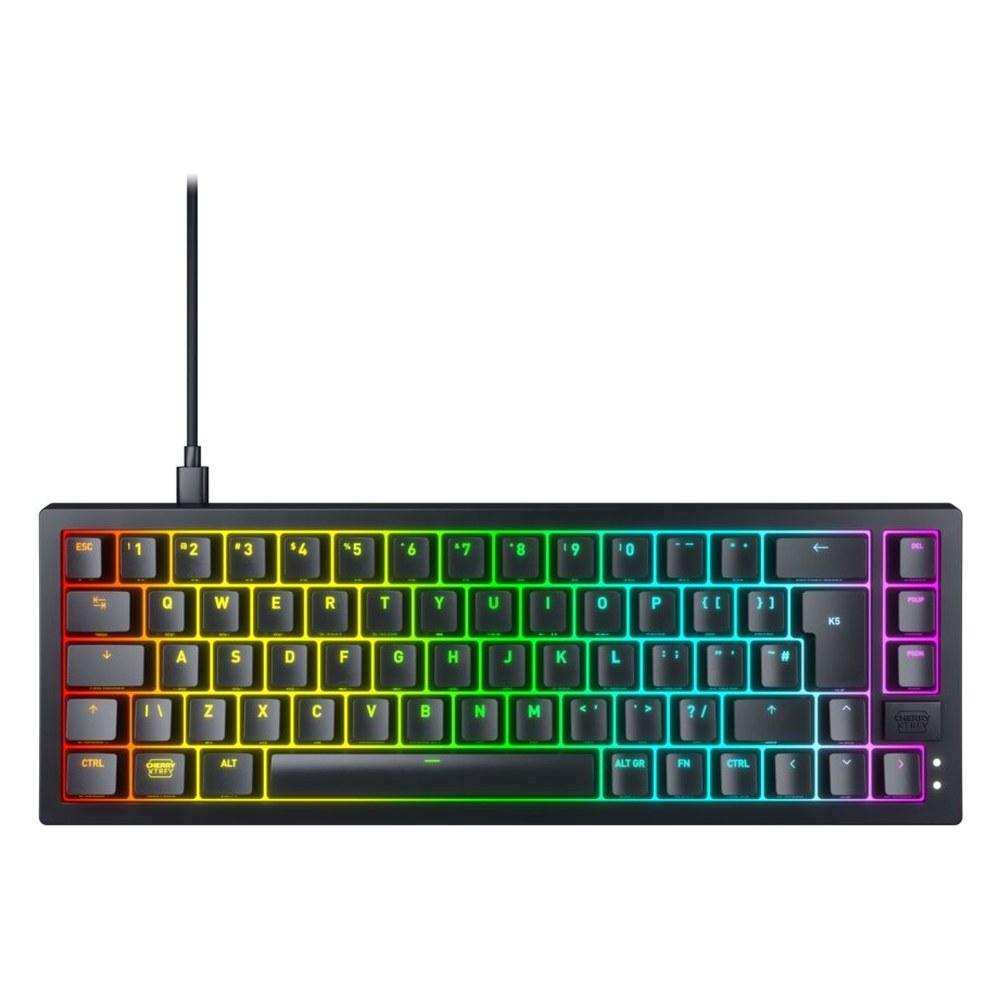
Cherry's compact boards are the customizable K5V2 and the budget mem-chanical K33.
| Model | Size | Switches | Connection |
|---|---|---|---|
| K5V2 Compact | 65% | CHERRY MX2A Red | Wired |
| K33 Compact Wireless | 75% | Mem-chanical | Wireless |
Full-size MX keyboards
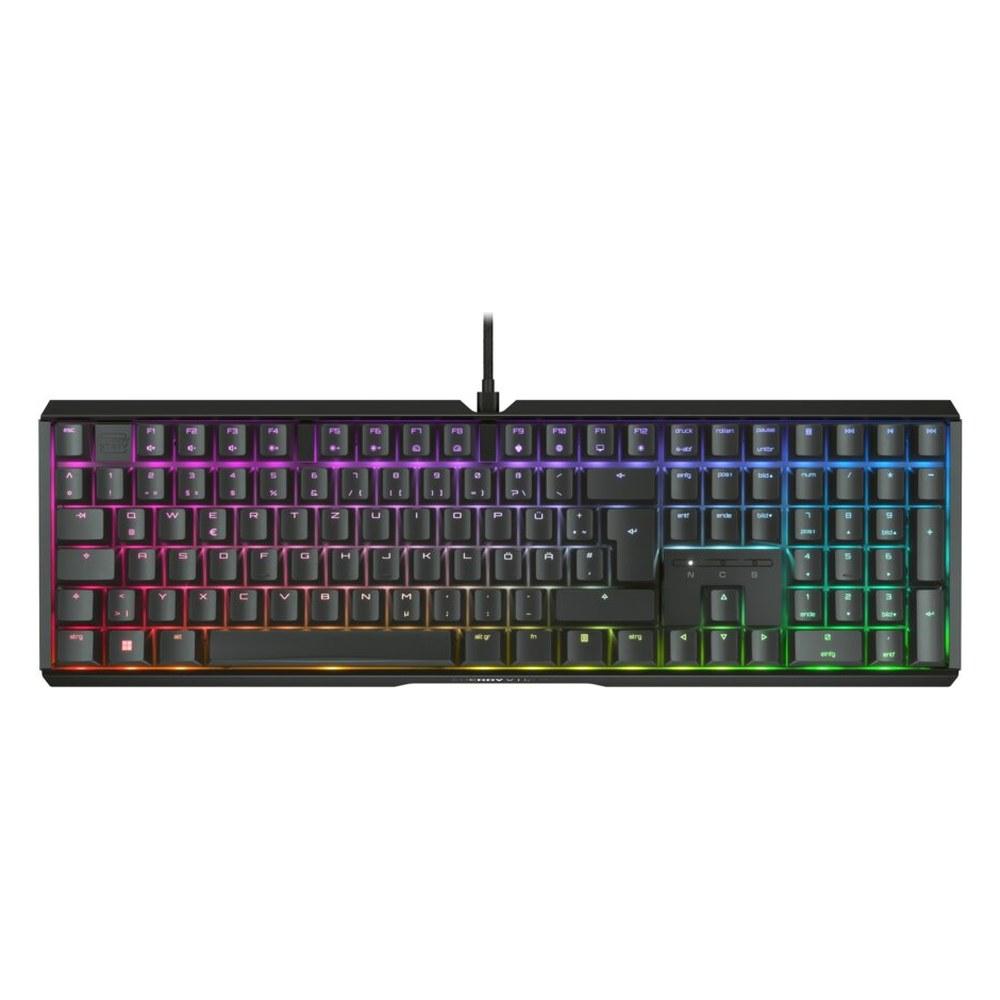
Cherry's full-size gaming boards are its classic MX range, from the MX 2.0S to the aluminum MX 3.1.
| Model | Size | Switches | Connection |
|---|---|---|---|
| MX 3.1 | Full size | CHERRY MX2A | Wired |
| MX 3.0S Wireless | Full size | CHERRY MX2A or MX | Wireless |
| MX BOARD 3.0S | Full size | CHERRY MX | Wired |
| MX 2.0S | Full size | CHERRY MX or MX2A | Wired |
These boards come with the widest choice of genuine Cherry MX and MX2A switches.
Magnetic, mechanical, low profile or mem-chanical?
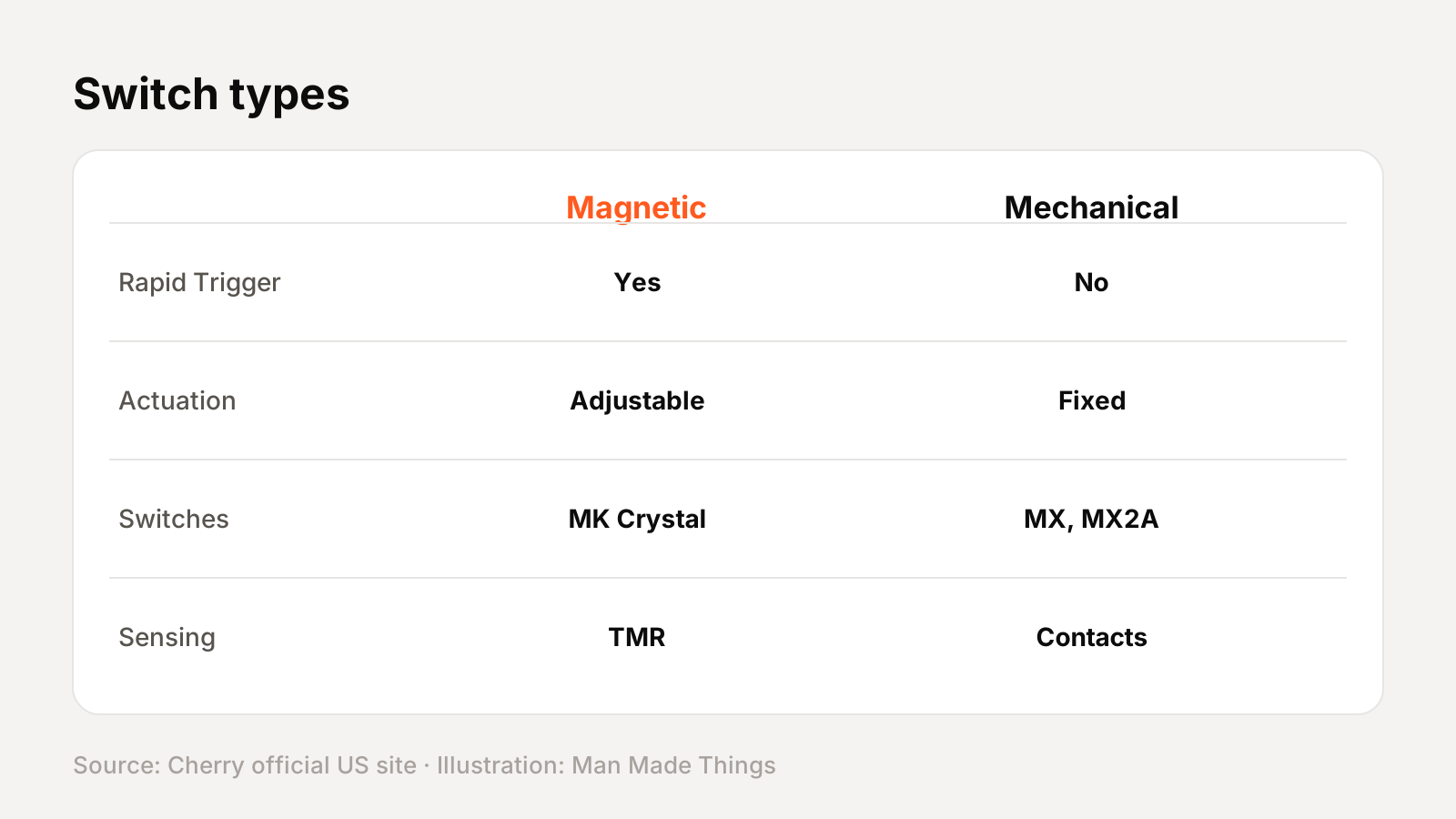
Magnetic (CHERRY MK Crystal with TMR sensing) switches measure how far each key is pressed, enabling adjustable actuation and Rapid Trigger. They're on the K5 Pro TMR Compact and MX 8.2 Pro TMR Wireless.
Mechanical (CHERRY MX and MX2A) switches are Cherry's classic switches, made in Germany. MX2A is the updated version with new lubrication and springs.
Low profile (CHERRY MX Low Profile and LP 2.0) switches are slimmer mechanical switches for flat keyboards.
Mem-chanical (K33) is a membrane design made to feel mechanical, at a lower cost.
Which Cherry gaming keyboard should you buy?
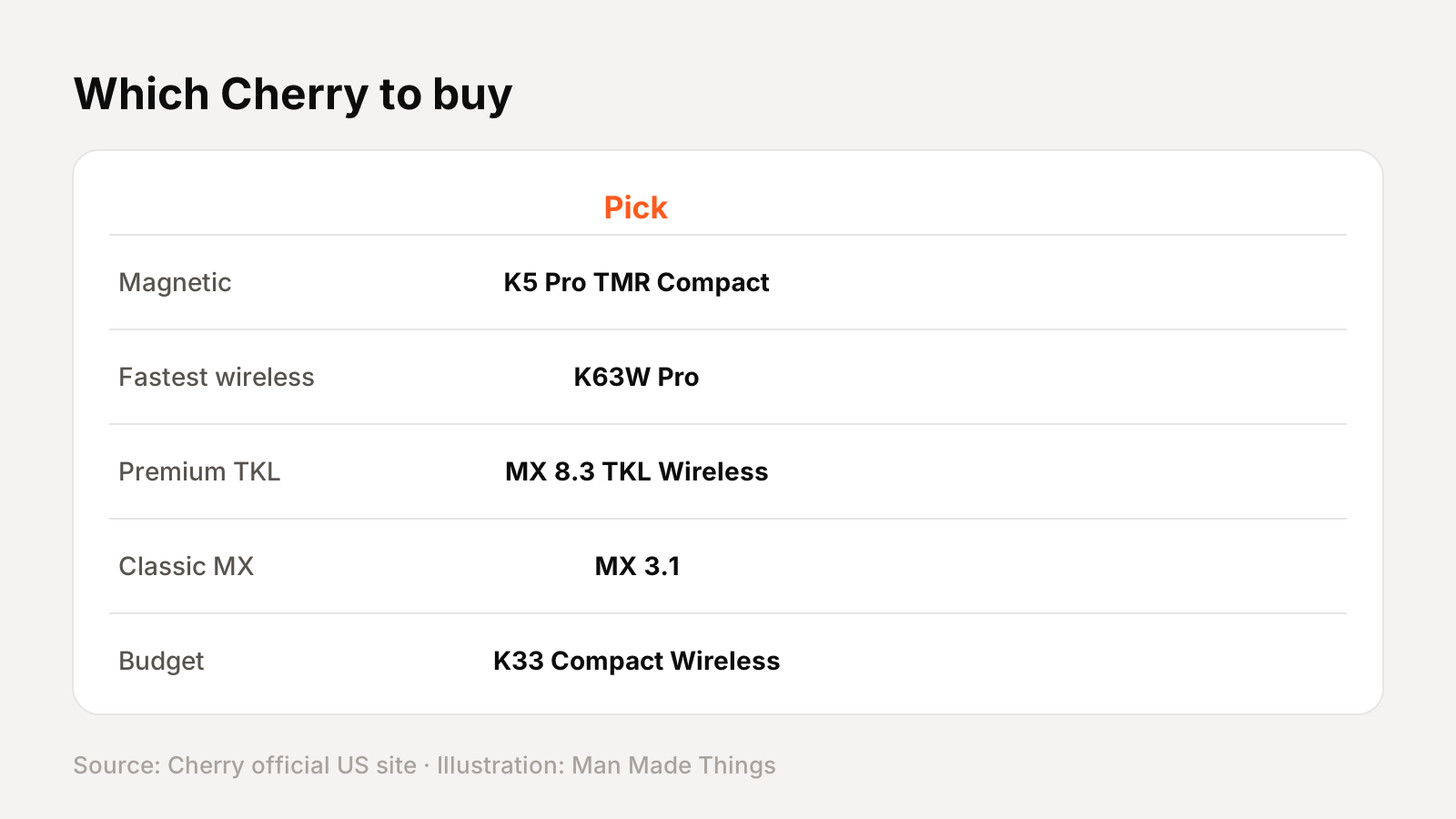
| If you want... | Buy |
|---|---|
| Magnetic switches and Rapid Trigger | K5 Pro TMR Compact |
| Wireless magnetic | MX 8.2 Pro TMR Wireless |
| The most advanced wireless | K63W Pro Compact Ultra-Wideband |
| A premium wireless TKL | MX 8.3 TKL Wireless |
| A slim full-size wireless board | MX 10.1 Wireless |
| A customizable 65% | K5V2 Compact |
| A classic full-size MX board | MX 3.1 |
| A budget wireless board | K33 Compact Wireless |
Cherry software, explained
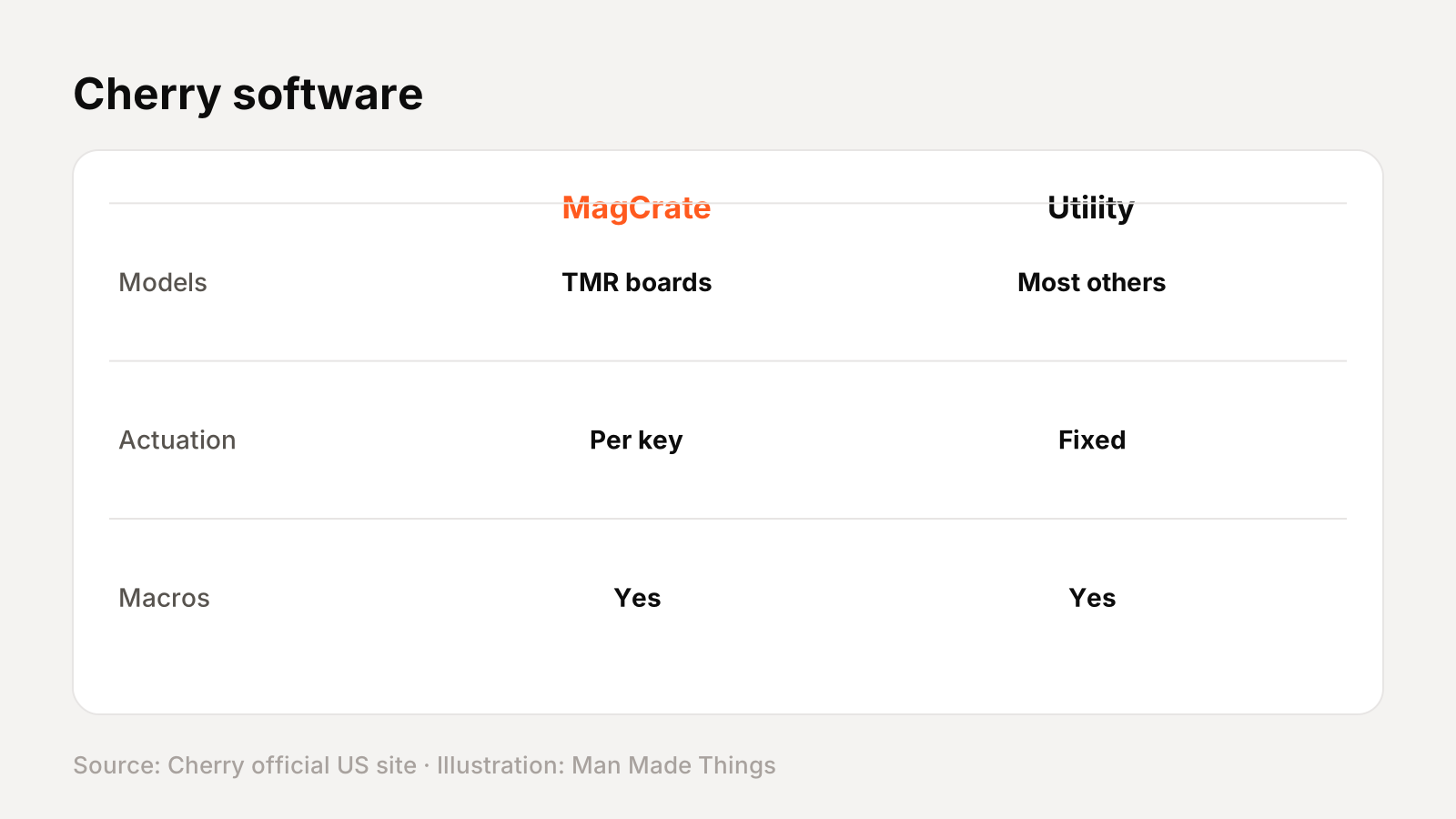
Cherry gaming keyboards use one of three Cherry programs, depending on the model:
- CHERRY MagCrate is for the magnetic TMR boards (K5 Pro TMR Compact and MX 8.2 Pro TMR). Cherry says it lets you "adjust actuation points per key, enable advanced features like RT, Mod Tap, Dynamic Key Travel (DKS) and SnapKey, assign macros" and set lighting.
- CHERRY Utility Software & Assistant handles key assignments and lighting on most other models, such as the MX 3.1, MX 8.3 and K63W Pro.
- CHERRY KEYS is Cherry's free key-assignment tool, listed for the MX 10.0N RGB.
Some boards, like the K4V2, let you adjust lighting without any software.
Keyboard terms, explained
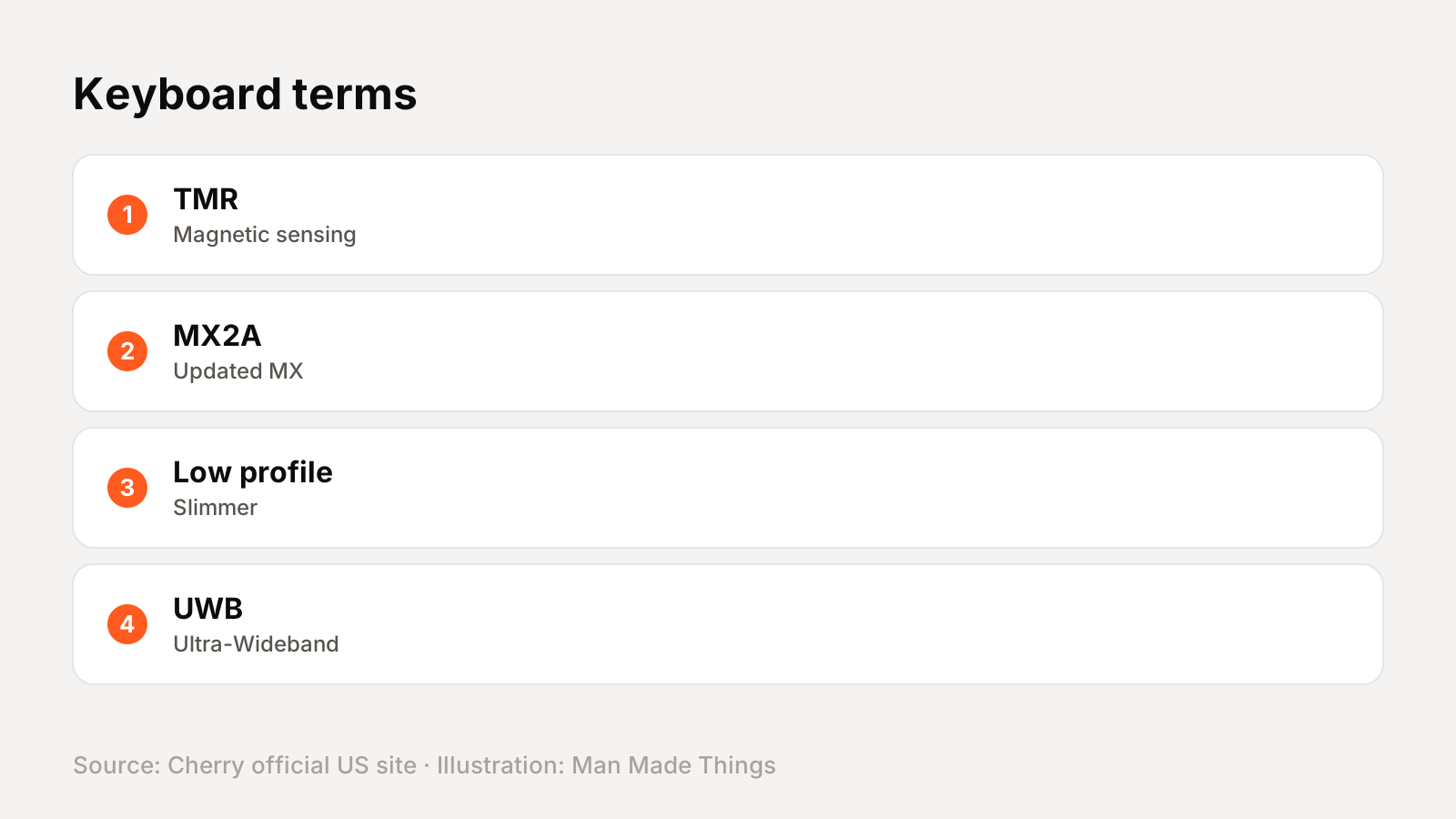
| Term | What it means |
|---|---|
| TMR | Tunnel Magnetoresistance, a magnetic sensor that measures key position |
| Rapid Trigger (RT) | The key resets as soon as it starts rising, for faster repeated presses |
| SnapKey | Cherry's handling of opposing key presses (SOCD) |
| MX2A | Cherry's updated MX switches with new lubrication and springs |
| Low profile | Shorter switches and keycaps for a slimmer keyboard |
| Hot-swappable | Switches can be pulled and replaced without soldering |
| UWB | Ultra-Wideband, a wireless technology Cherry uses on the K63W Pro |
| Polling rate | How often the keyboard reports to the PC; 8,000 Hz is eight times the usual 1,000 Hz |
Buying and warranty
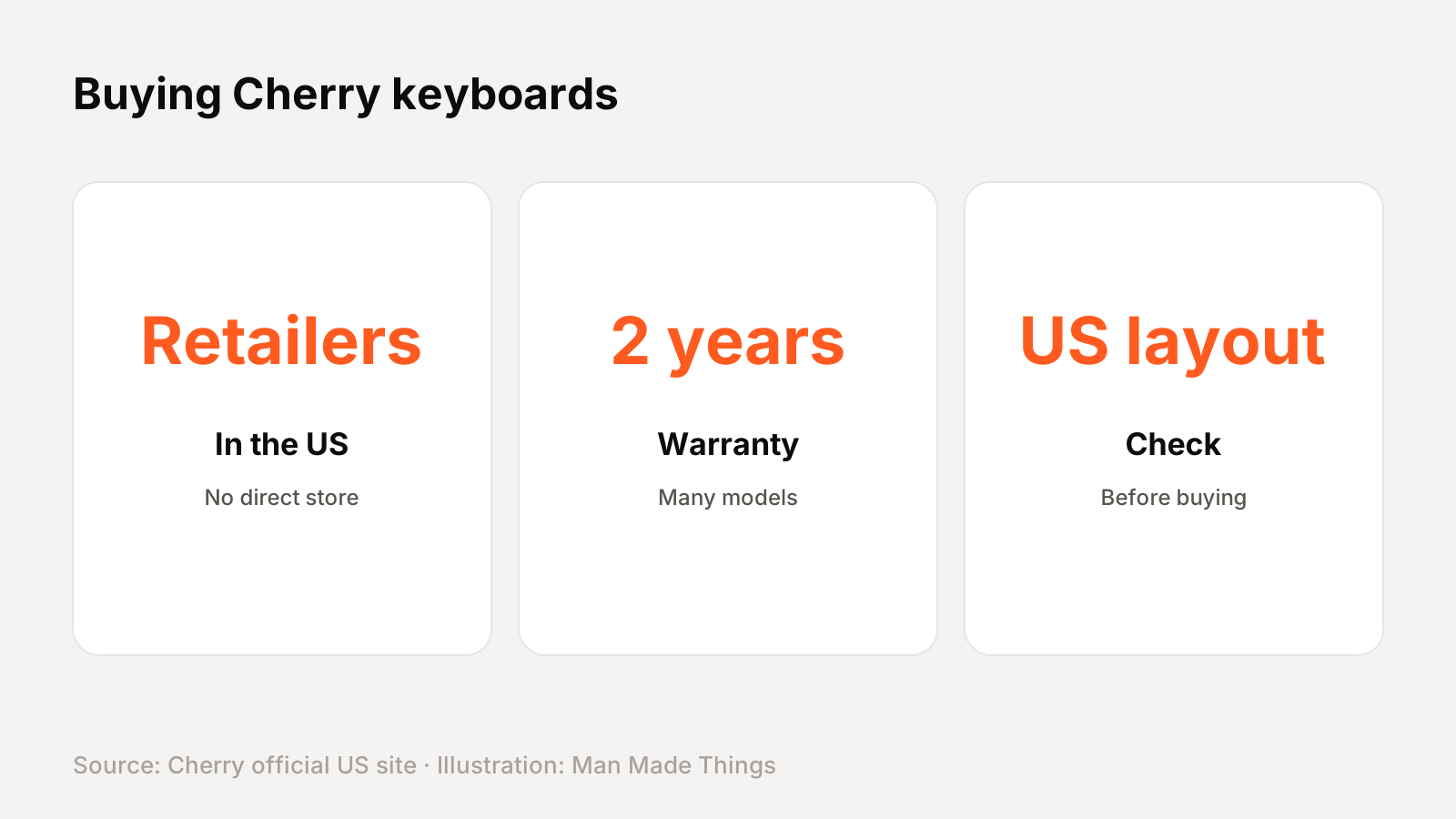
Cherry doesn't sell direct in the US or publish US prices; its US site points buyers to retailers, and its web shop serves Europe. Check retailers such as Amazon and make sure you're getting the US (ANSI) layout. Cherry's product pages list a 2-year warranty for most of these models.
This guide covers Cherry's gaming keyboards. We left out a limited-edition keyboard-and-mousepad bundle, Cherry's office and ergonomic keyboards (such as the STREAM, KC and KW ranges), and its industrial, medical and security keyboards.
Frequently asked questions
Which Cherry keyboards have magnetic switches?
+
The CHERRY XTRFY K5 Pro TMR Compact and MX 8.2 Pro TMR Wireless, both with CHERRY MK Crystal switches and TMR sensing.
How much do Cherry keyboards cost in the US?
+
Cherry doesn't publish US prices or sell direct in the US. Check retailers such as Amazon for current pricing.
Which Cherry gaming keyboards are wireless?
+
The K63W Pro (Ultra-Wideband), MX 8.2 Pro TMR Wireless, MX 10.1 Wireless, MX-LP 2.1 Compact Wireless, MX 8.3 TKL Wireless, MX 8.2 TKL Wireless, K33 Compact Wireless and MX 3.0S Wireless.
What warranty do Cherry keyboards have?
+
Cherry's product pages list a 2-year warranty for most of its gaming keyboards; a few US pages don't state a warranty period.
Sources
Editor-in-Chief
Rahul has been writing about gadgets and software since 2013, first at Thetechhacker and now at Man Made Things. He edits every review on the site and signs off on every verdict.
More from Rahul →