Goodyear Welt vs Blake Stitch vs Cemented Shoes: What's the Difference?
How Goodyear-welted, Blake-stitched and cemented shoes are made, how they differ in resoling, water resistance, flexibility, weight and price, and how to tell which one you're buying.
We may earn a commission when you buy through links on this page. Learn more
Quick answer
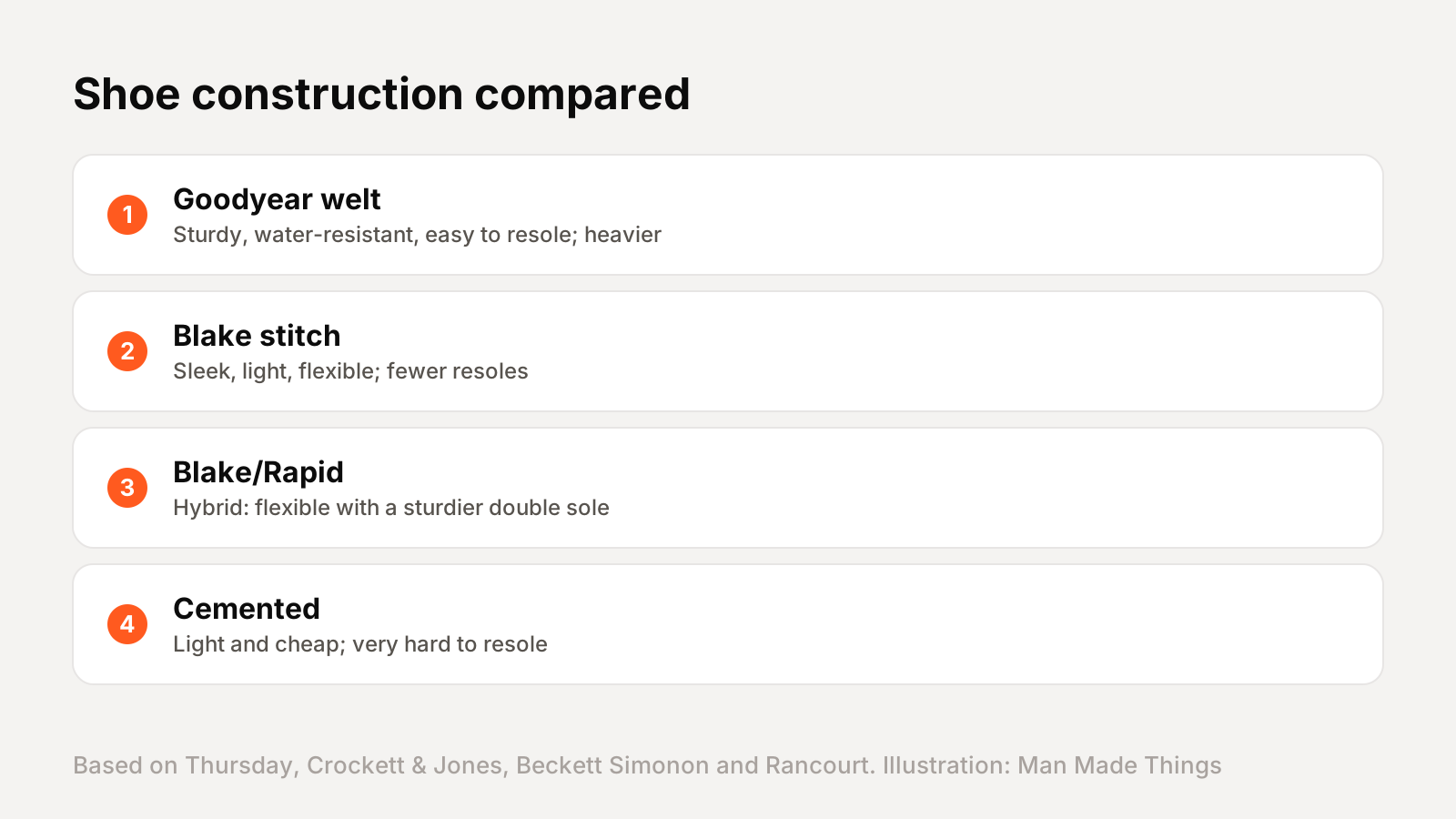
A Goodyear welt stitches a strip of leather to the upper and then to the sole, making shoes sturdy, water-resistant and easy to resole, but heavier and stiffer. Blake stitching sews the sole straight through to the insole, giving a sleeker, lighter, more flexible shoe that's harder to resole. Cemented shoes are glued, light and cheap, but very difficult to resole.
Two pairs of leather shoes can look almost identical and still be built in completely different ways. That difference decides how long they last, how they feel on day one and whether a cobbler can put new soles on them in five years.
There are three main methods. Goodyear welting and Blake stitching use thread to attach the sole, while cemented construction uses glue. Each has real strengths, and the "best" one depends on what you want from a shoe.
Below, I explain how each works using what shoemakers themselves publish, including Thursday Boot Co., Crockett & Jones, Alden, Beckett Simonon and Rancourt. For boots built this way, see our best Chelsea boots guide and how to break in leather boots.
Goodyear welt: built to be rebuilt
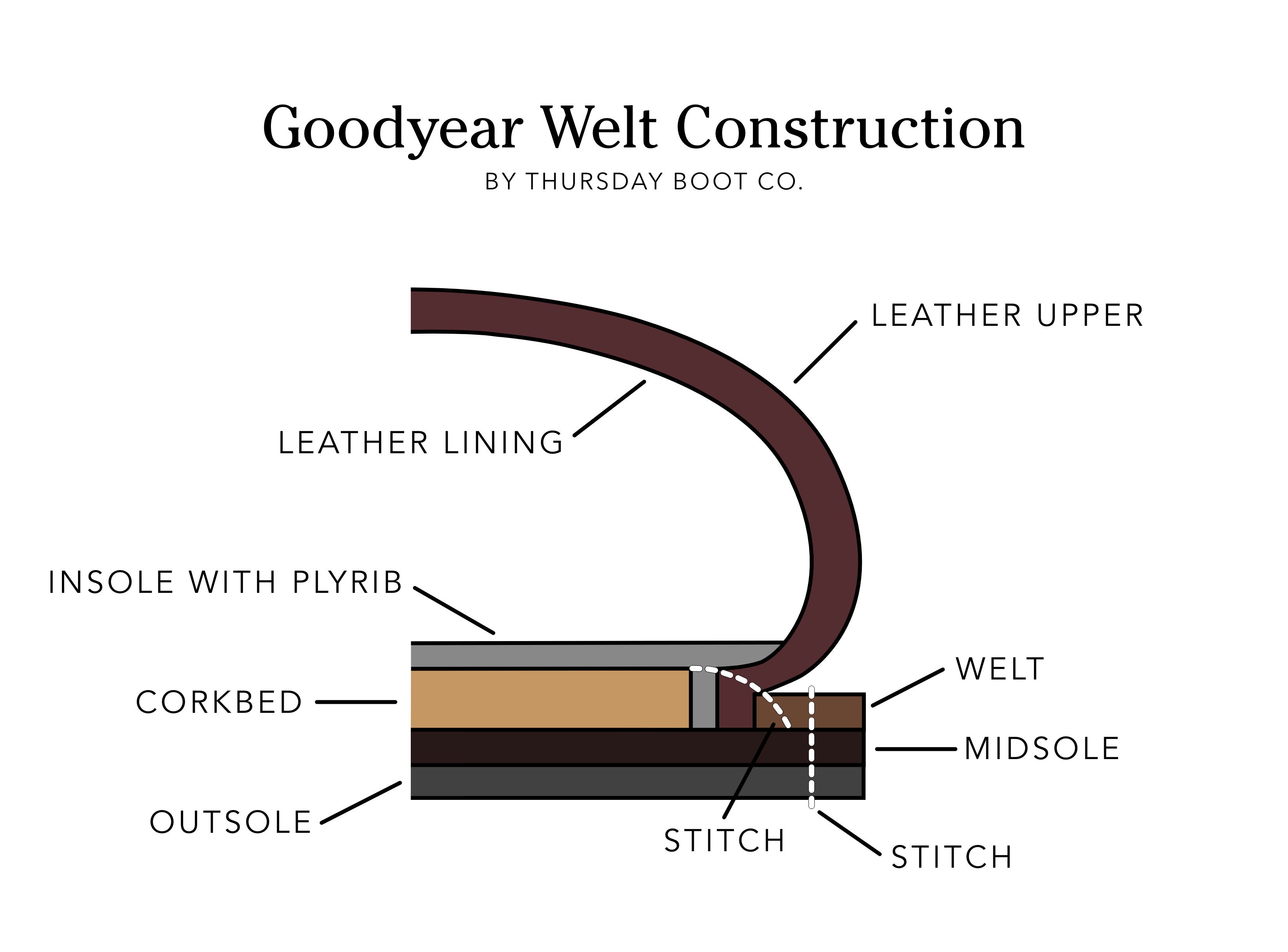
A welt is a strip of leather about a centimeter wide that runs around the edge of the shoe, between the upper and the sole, Thursday explains. It's attached in two steps. First, the upper and welt are stitched to a rib on the underside of the insole. Then the welt is stitched to the outsole.
That second stitch is the magic. Crockett & Jones says it can be cut through to remove the sole completely without damaging the upper, so the shoe can be resoled again and again. Crockett & Jones says it can usually repair well-cared-for shoes several times, and Alden says its shoes are designed to allow rebuilding.
Other benefits: Thursday says the welt acts as an extra layer against water, and the space under the insole is filled with cork that molds to your feet. Alden says a welt gives superior lateral stability.
Downsides: Thursday says welted shoes are a bit heavier and more rigid, so they take longer to break in. Crockett & Jones calls the process expensive, time-consuming and skilled, which shows in the price.
Blake stitch: sleek, light and flexible
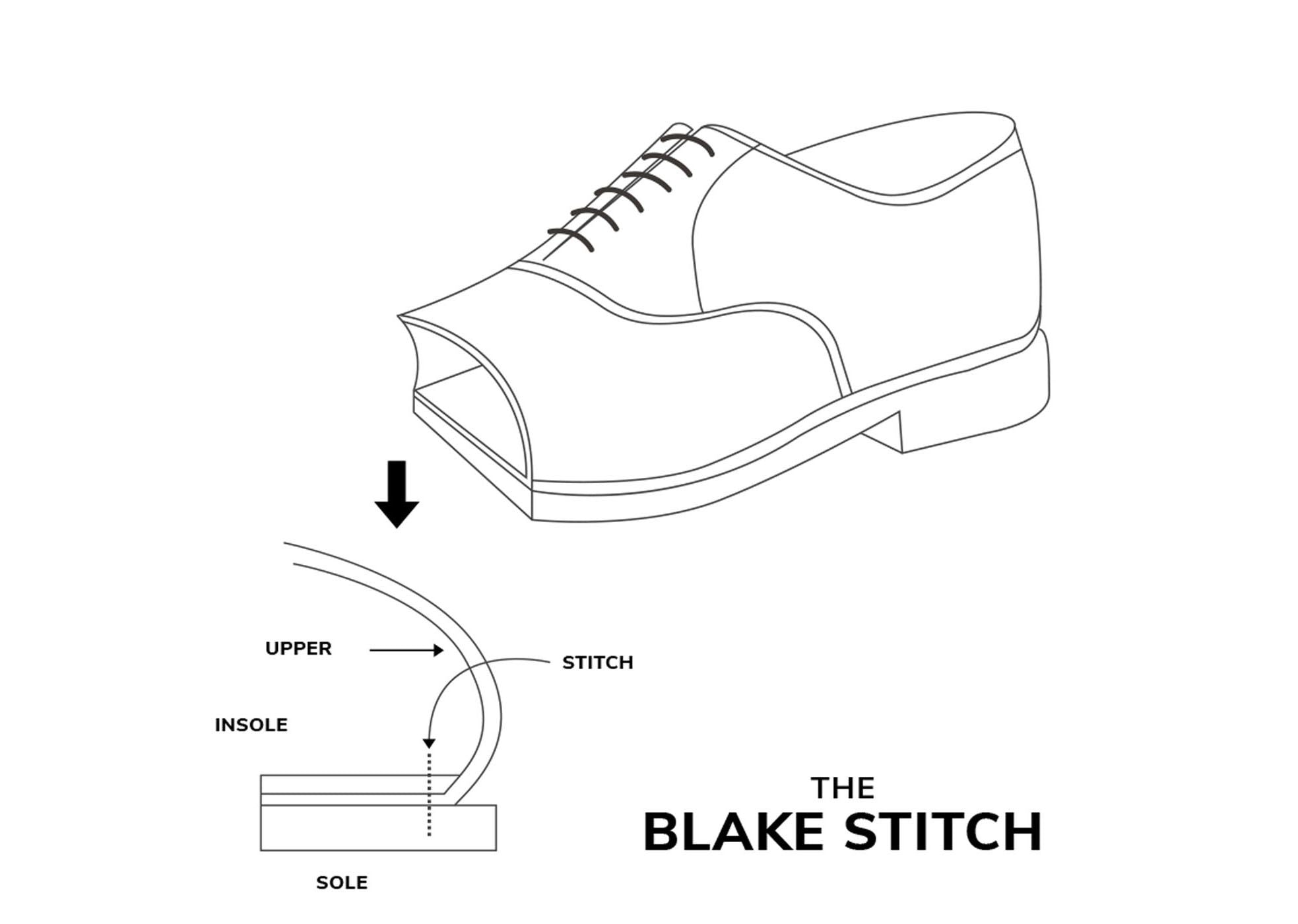
Blake stitching is simpler. Beckett Simonon explains that the upper is folded under the insole, then a single thread stitches the insole, upper and outsole together from inside the shoe, using a machine that lock-stitches the thread.
With fewer layers, Beckett says Blake-stitched shoes are lighter, more flexible and sleeker, with a slimmer, tapered waist. Rancourt says the lack of an insole rib makes Blake construction superior in flexibility, so there's less break-in.
Downsides: Beckett says Blake shoes can't be resoled as many times, because new stitch holes are needed each time, and the cobbler needs a special machine. The stitching inside can also be uncomfortable if the lining is thin. On water, Beckett says they perform well in lighter conditions, as long as you avoid puddles.
Blake stitching costs less to make than a Goodyear welt, according to Beckett, which can mean a high-quality shoe at a lower price.
Blake/Rapid: the hybrid
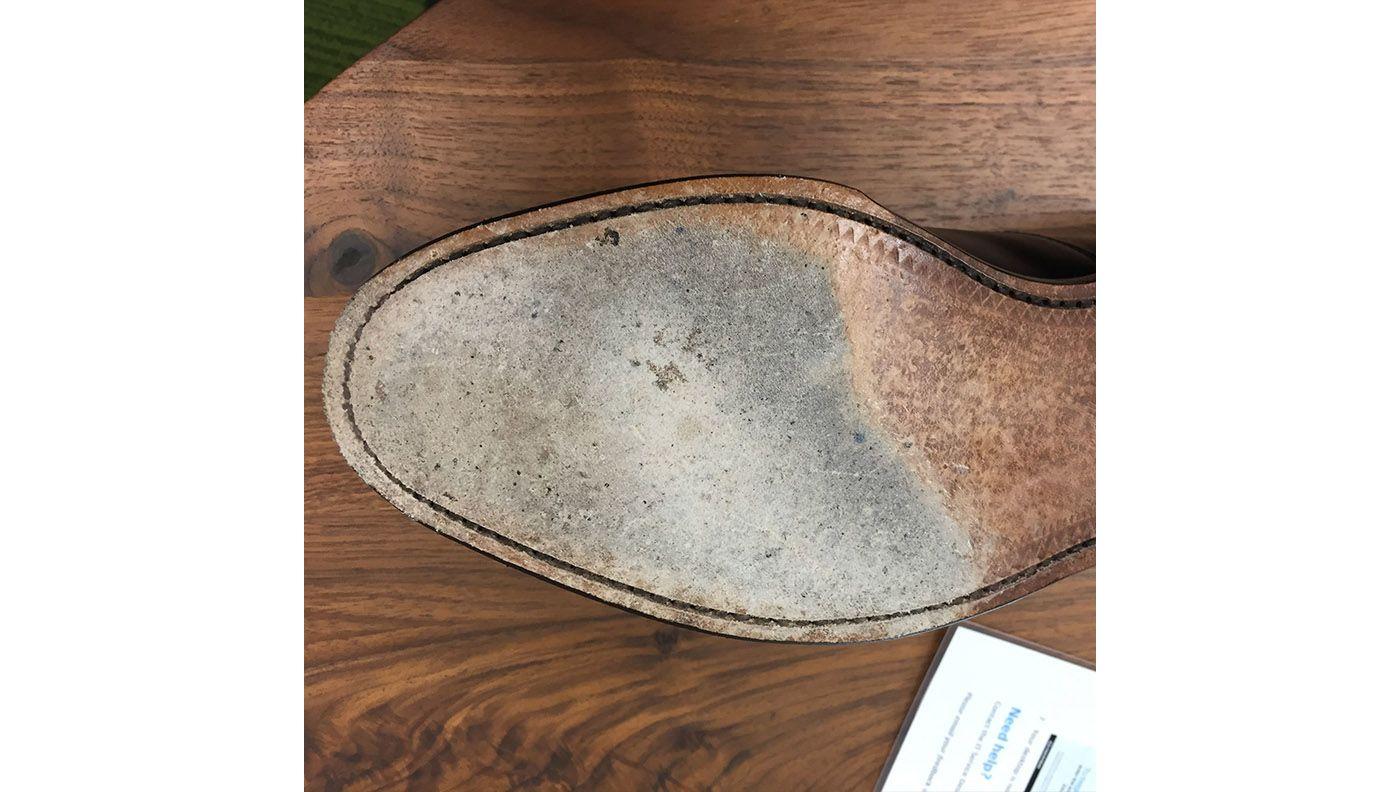
There's also a middle ground called Blake/Rapid, which Rancourt calls a Blake welt stitch.
Beckett explains it's a hybrid: a standard Blake stitch attaches a first sole, then a second sole is stitched on with an exterior seam. Rancourt says that because there's still no rib on the insole, flexibility isn't compromised, but the two soles add comfort and longer wear.
The result looks more substantial than a pure Blake shoe and holds up better outdoors, while staying more flexible than a Goodyear welt. It's a good option if you want a slimmer shoe that still feels sturdy.
One note of caution: Beckett points out that "Goodyear welted" is sometimes used as a buzzy marketing term. Construction matters, but so do the quality of the leather, the last and the finishing. In my view, a well-made Blake shoe is a better buy than a poorly made welted one.
Cemented: light, cheap and disposable
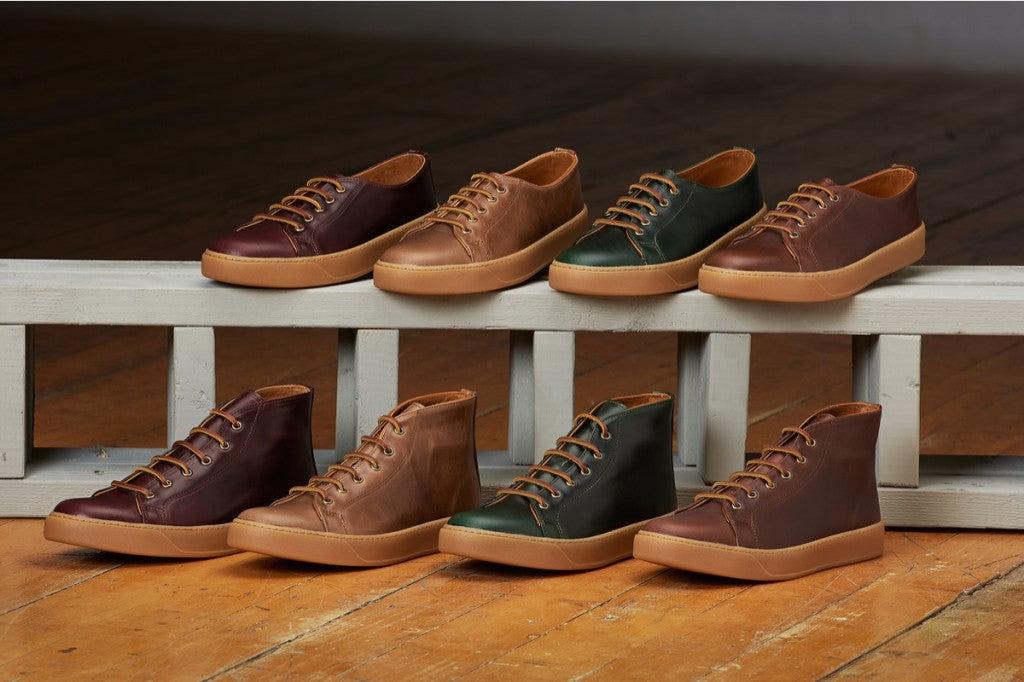
Cemented construction is the most common by far. Thursday explains it means gluing the upper directly to the outsole, and says nearly all the sneakers you own are made this way. It's quick, simple and effective.
The good: cemented shoes are light, flexible and inexpensive. Rancourt describes its cup soles, a cemented style also reinforced with a sidewall stitch, as one of the lightest and most flexible outsole constructions.
The bad: resoling. Thursday says it's very difficult to resole a cemented shoe, and Rancourt says it can't replace its cup soles at all, because removing the sole would tear the leather upper. When the sole wears out, the shoe is usually done.
That's not always a problem. For sneakers and casual shoes, cemented construction makes sense. Beckett also notes that shoes that need a tight seal against water, like rain boots, are often cemented, vulcanized or injection-molded.
How to tell, and which to buy
How to tell which you have:
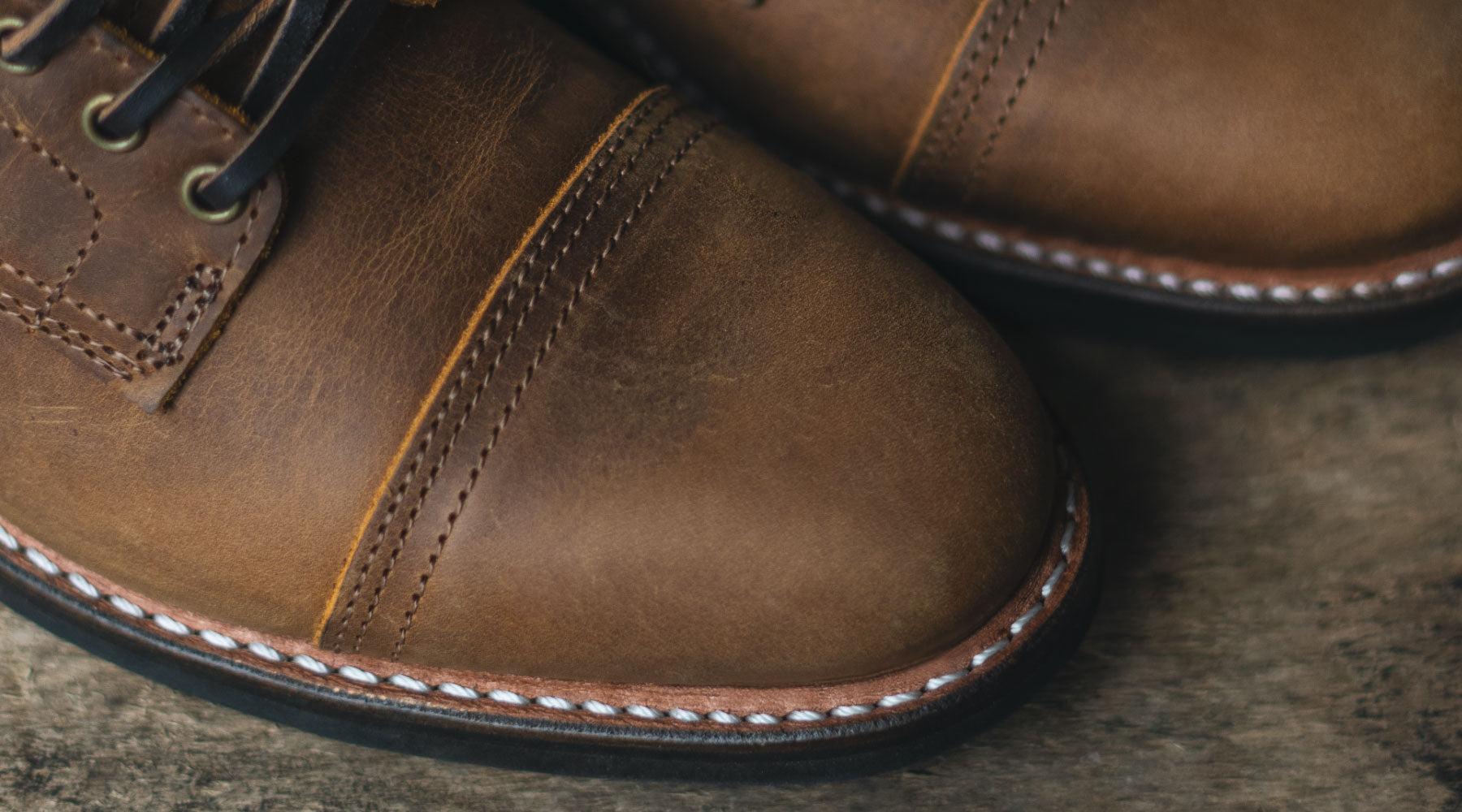
- Goodyear welt: Thursday says there's a telltale line of stitching around the edge, between the welt and the outsole, visible from a few feet away.
- Blake: Beckett says the stitching sits noticeably in from the sole's edge, and should be visible inside the shoe around the insole, unless it's covered by padding.
- Cemented: no stitching through the sole at all, though some, like cup soles, have decorative or sidewall stitching.
Which should you buy?
- Goodyear welt for boots and shoes you'll wear for years, in all weather, and want to resole.
- Blake for sleek, comfortable dress shoes that need little break-in.
- Cemented for sneakers and casual shoes where light weight and low price matter more than longevity.
Thursday says Goodyear welting accounts for less than 1 percent of shoes made today, which explains the premium.
Frequently asked questions
What is a Goodyear welt?
+
A strip of leather stitched to the upper and then to the sole. Crockett & Jones says the sole stitch can be cut to resole the shoe without damaging the upper.
Is Goodyear welt better than Blake stitch?
+
Not always. Welted shoes are sturdier, more water-resistant and easier to resole; Blake-stitched shoes are lighter, sleeker and more flexible.
Can Blake-stitched shoes be resoled?
+
Yes, but Beckett Simonon says not as many times as a welted shoe, and the cobbler needs a special machine.
Can cemented shoes be resoled?
+
Rarely. Thursday says it's very difficult, and Rancourt says its cemented cup soles can't be replaced.
Sources
- Thursday Boot Co.: Goodyear welt construction guide
- Crockett & Jones: Goodyear welted construction
- Crockett & Jones: Repairs
- Alden: About welt construction
- Beckett Simonon: Goodyear welting or Blake stitching
- Beckett Simonon: Can you resole Blake-stitched shoes?
- Rancourt & Co.: About
- Rancourt & Co.: What's the deal with cup sole shoes
Editor-in-Chief
Rahul has been writing about gadgets and software since 2013, first at Thetechhacker and now at Man Made Things. He edits every review on the site and signs off on every verdict.
More from Rahul →