How to Make Pour-Over Coffee (Step by Step, With Exact Measurements)
A simple pour-over recipe with exact grams, water temperature and timings, based on Fellow's, Hario's and Chemex's own brew guides, plus how to fix sour or bitter coffee.
We may earn a commission when you buy through links on this page. Learn more
Quick answer
Use 22g of medium-ground coffee and 350g of water at about 205°F, a ratio of roughly 1:16. Rinse the paper filter, pour 44g of water to bloom for about 35 seconds, then pour in stages to 150g, 250g and 350g. Aim to finish in 3 to 4 minutes. If it tastes sour, grind finer; if it tastes bitter, grind coarser.
Pour-over looks fussy. A gooseneck kettle, a paper filter, someone staring at a scale. But once you've done it a few times, it takes about five minutes and makes the cleanest, most flavorful cup of coffee you can brew at home.
The reason is control. With a drip machine, the machine decides how fast the water hits the coffee. With pour-over, you do, and that means you can make bright, sweet coffee from good beans instead of a flat, bitter one.
The recipe below follows Fellow's official pour-over guide, which gives exact grams and timings, with notes from Hario's and Chemex's own instructions. Sounds interesting? Let's get into it.
What you need
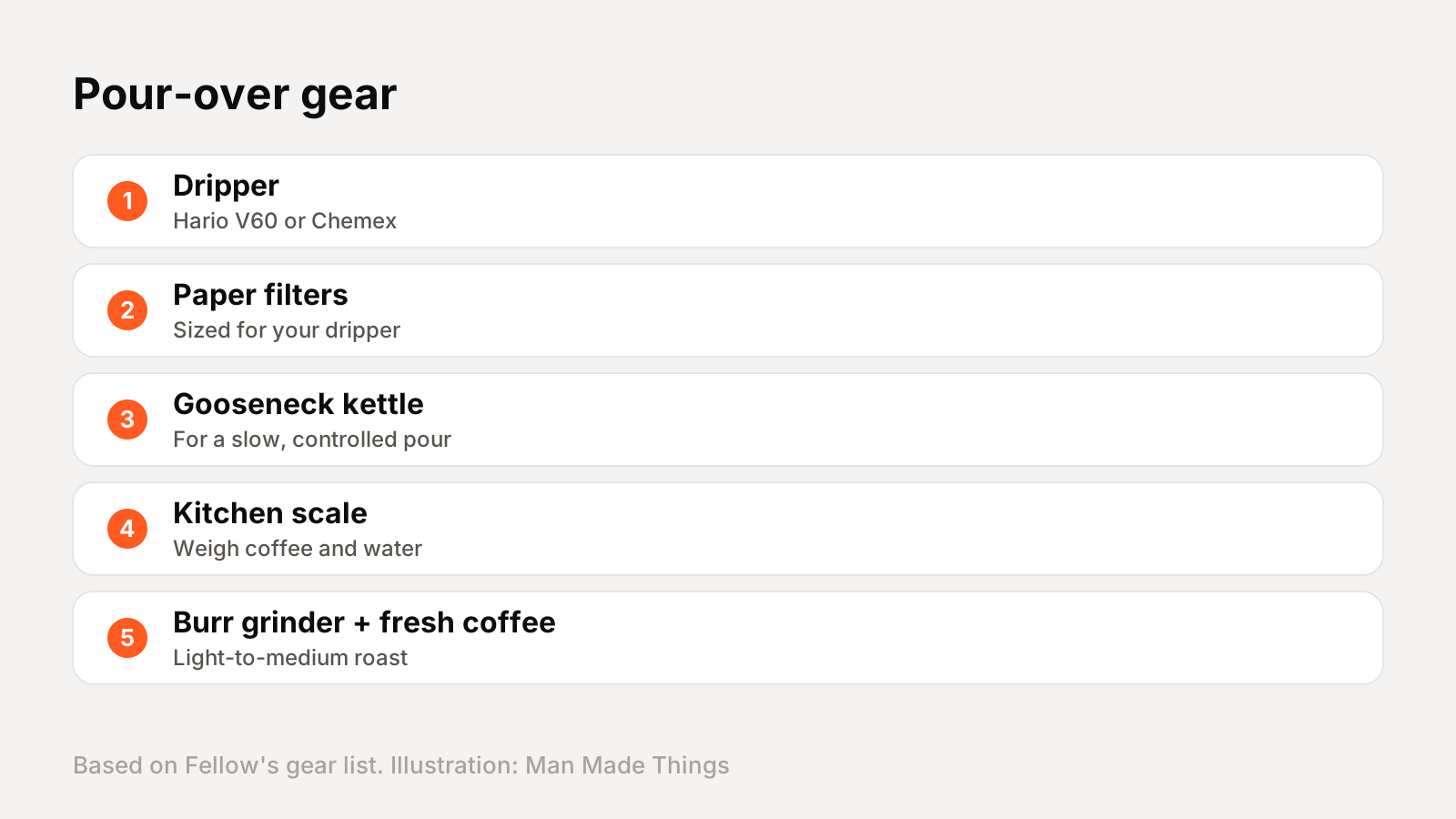
Fellow's guide lists the basics:
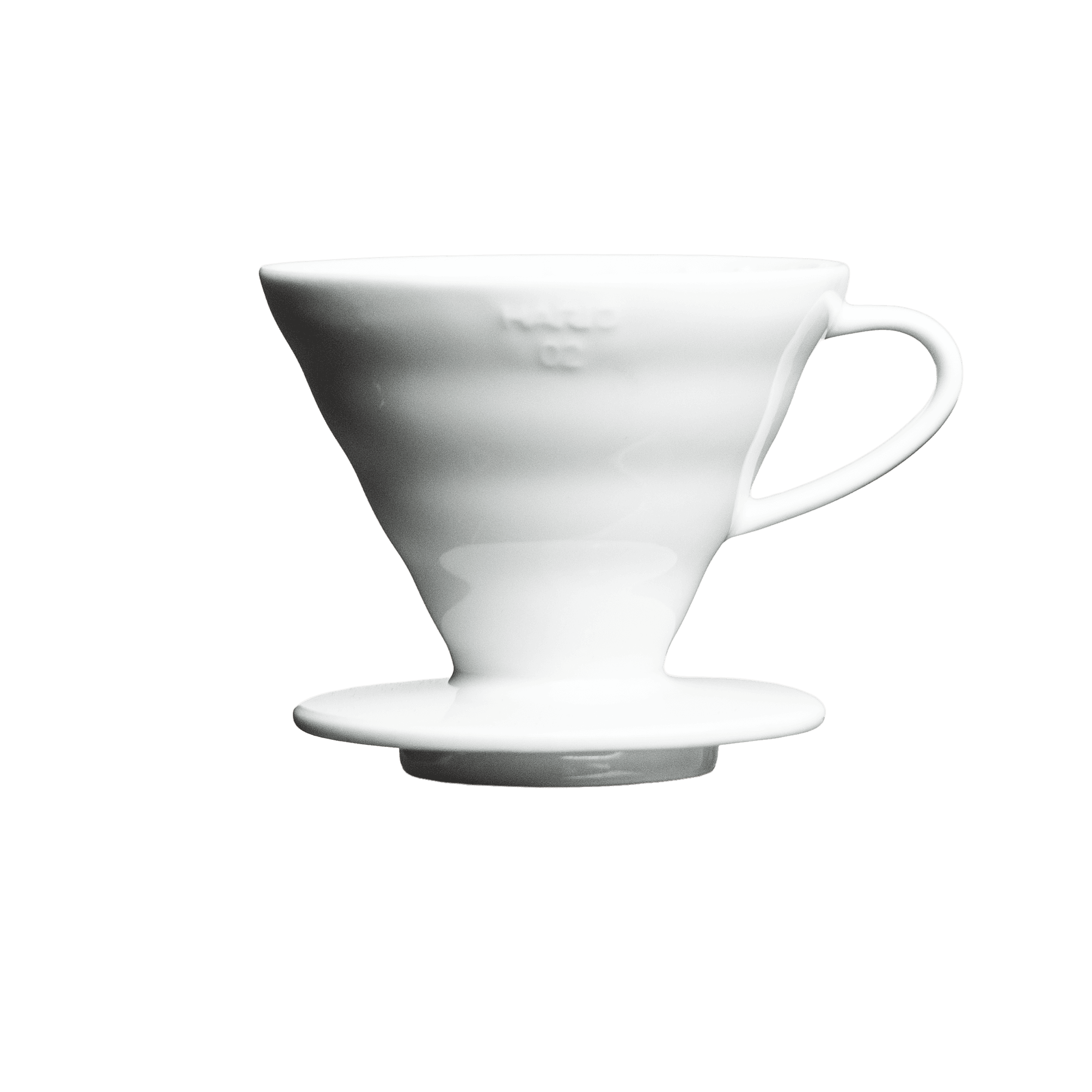
- A dripper, such as a Hario V60 ($30.50 for the ceramic 02 size) or a Chemex ($49.50 for the six-cup classic).
- Paper filters that fit your dripper.
- A gooseneck kettle, which gives you a thin, controlled stream.
- A kitchen scale, so you can weigh coffee and water instead of guessing.
- A burr grinder and fresh, light-to-medium roast coffee.
The scale matters more than people think. Volume scoops vary a lot depending on the bean and grind, but grams don't lie. If you don't have a burr grinder yet, see our best burr coffee grinders.
Step 1: Get the ratio and water right
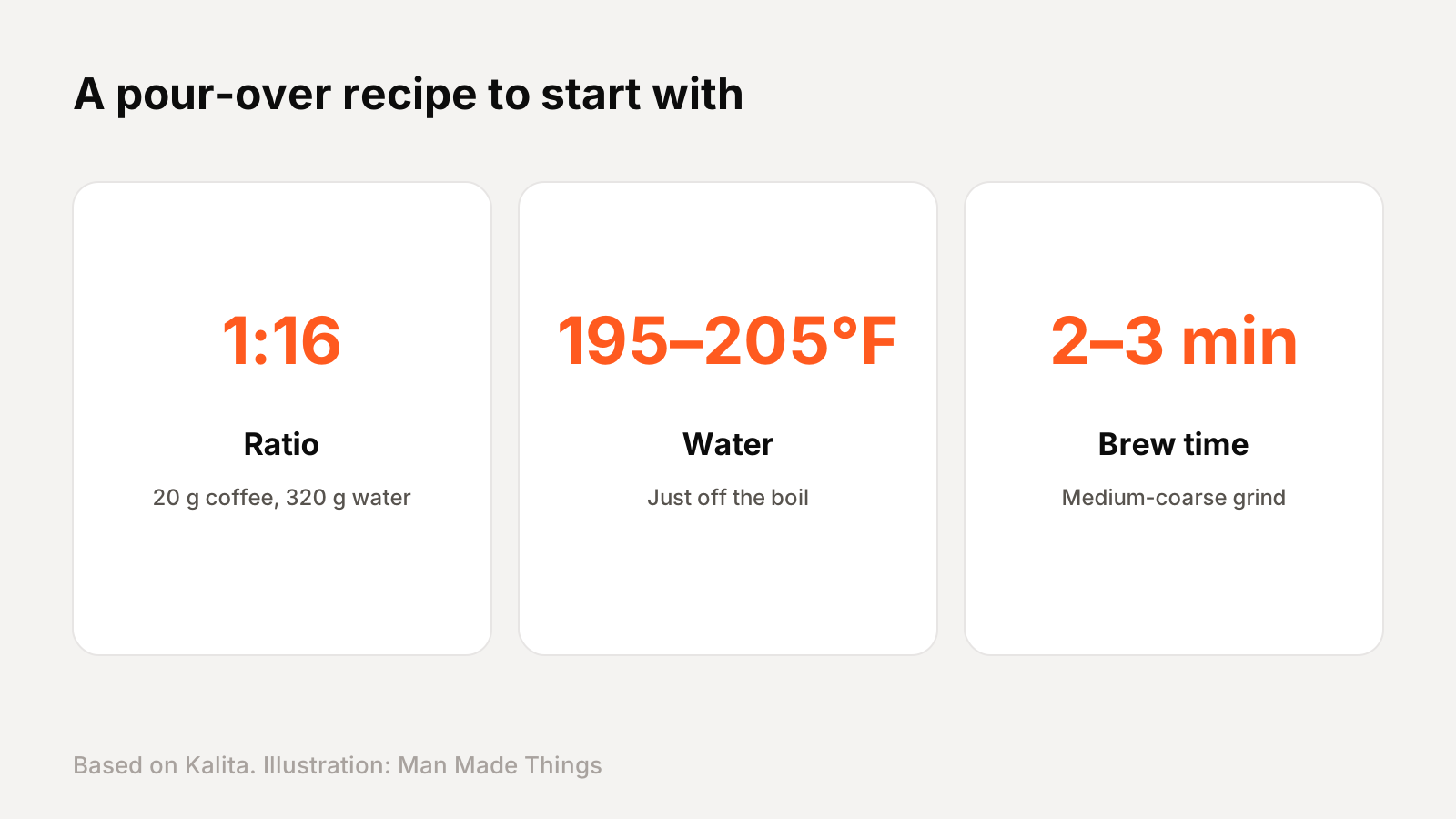
Fellow's recipe uses 22g of coffee to 350g of water, a ratio of about 1 to 16. That makes one large mug or two small cups. To make more or less, keep the same ratio. For example, 15g of coffee to 240g of water.
Hario's basic V60 guide is a little lighter: 15g of coffee to 250ml of water for a full mug. Both work, so start with Fellow's and adjust to taste.
For water temperature, Fellow says 205°F, which is just off the boil. Hario suggests boiling the kettle and letting it cool for a few minutes, and Chemex says to let it stop boiling vigorously. If you don't have a thermometer kettle, that's a good rule: boil, then wait about 30 seconds.
Step 2: Grind and rinse the filter
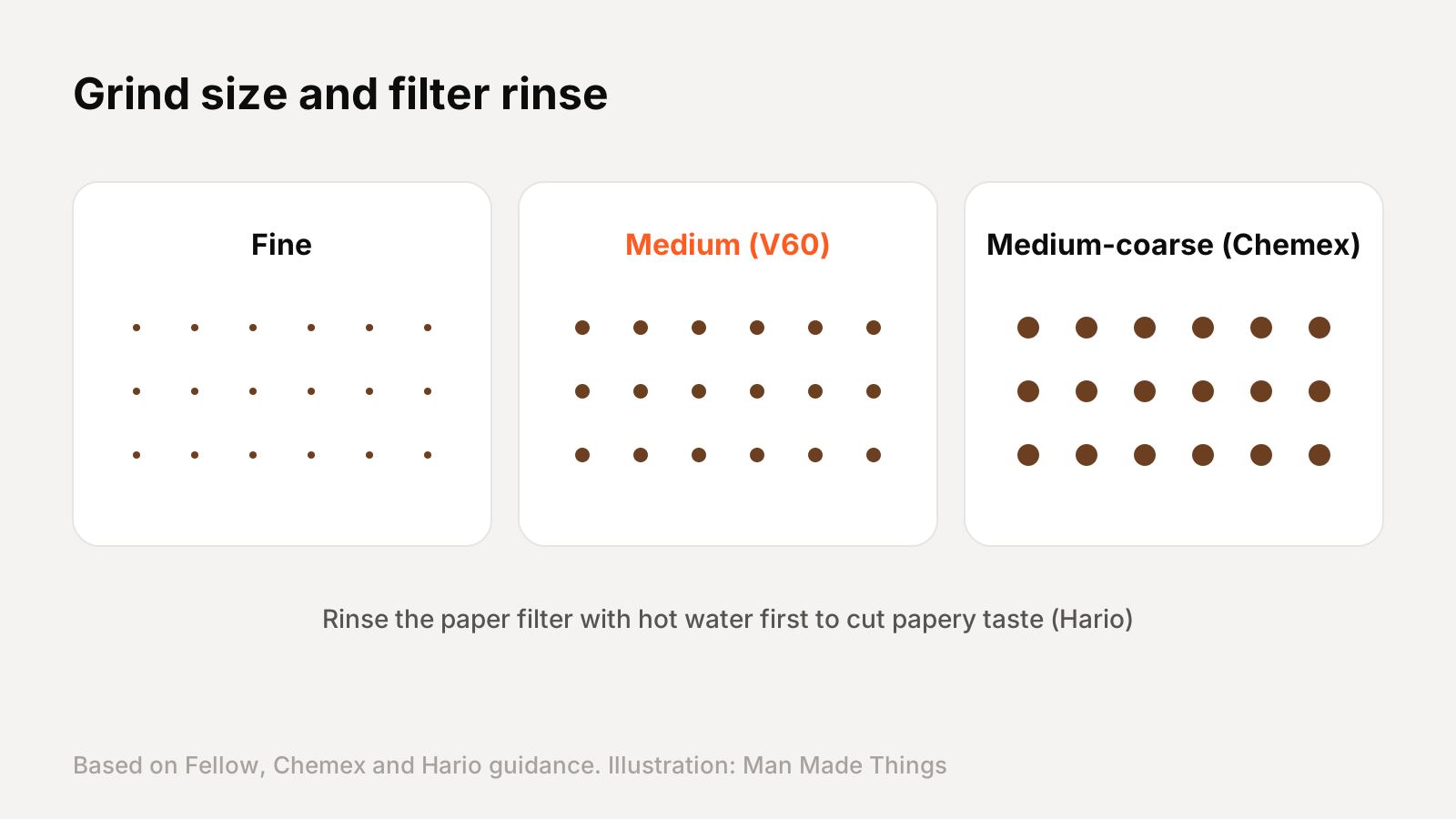
Fellow recommends a medium grind, roughly like sand. Chemex recommends medium-coarse for its thicker filters, which slow the water down.
Then rinse the paper filter with hot water before adding coffee. Hario says this reduces the papery taste. It also warms the dripper and your cup. Pour out the rinse water before you brew.
Grind right before you brew. Ground coffee loses aroma quickly, and freshly ground beans are one of the easiest upgrades you can make.
Step 3: Bloom, then pour in stages
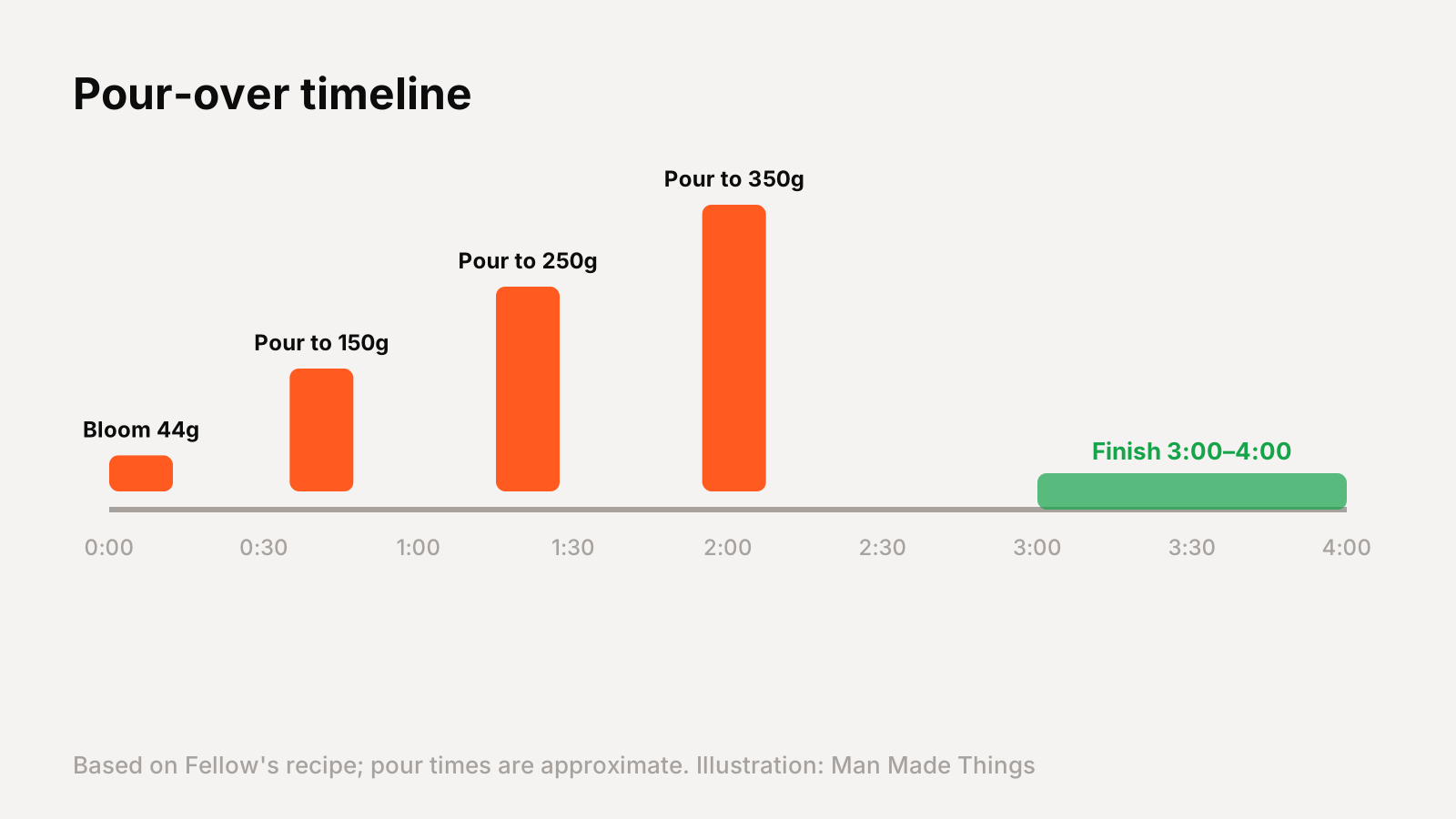
Put the dripper and cup on the scale, add the coffee and zero it. Start a timer.
- Bloom: pour 44g of water, double the coffee weight, in gentle circles to wet all the grounds. Wait about 35 seconds. Fellow explains the bloom releases carbon dioxide, which can otherwise make coffee taste sour. You'll see the grounds puff up and bubble.
- First pour: slowly pour to 150g, then wait until the water level drops to about an inch above the grounds.
- Second pour: pour to 250g and wait again.
- Final pour: pour to 350g.
Pour slowly in small circles, avoiding the edges of the filter. Fellow suggests aiming to finish somewhere around 3 to 4 minutes.
V60 or Chemex: which dripper should you buy?
These are the two most popular pour-over brewers, and they make noticeably different coffee.
The Hario V60 is a cone with a single large hole and spiral ridges inside. Water flows through fairly quickly, so the grind and your pouring speed matter a lot. That makes it a little less forgiving, but it rewards practice with bright, clear coffee. The ceramic 02 size costs $30.50 on Hario's US site, and there's a plastic version for about $13.
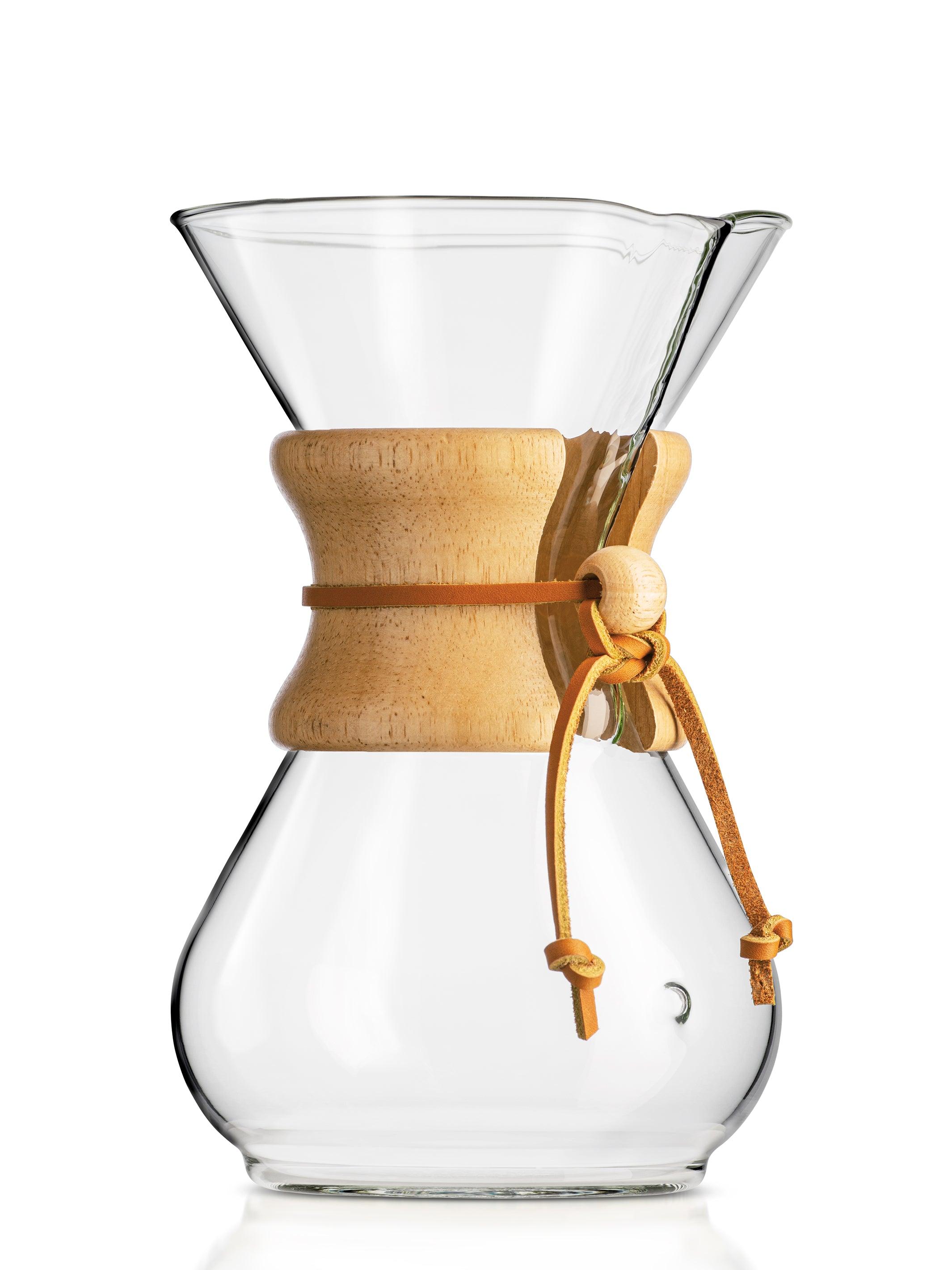
The Chemex is an hourglass-shaped glass carafe that doubles as a serving pot. It uses thick paper filters, which Chemex says to fold so the three-layer side sits over the pouring spout. Those thick filters slow the water down, which is why Chemex recommends a medium-coarse grind, and they produce a very clean cup. The six-cup classic is $49.50.
My advice: get the V60 if you mostly brew one cup and like to tinker. Get the Chemex if you brew for two or more and want a beautiful brewer on the table.
Fixing sour or bitter coffee
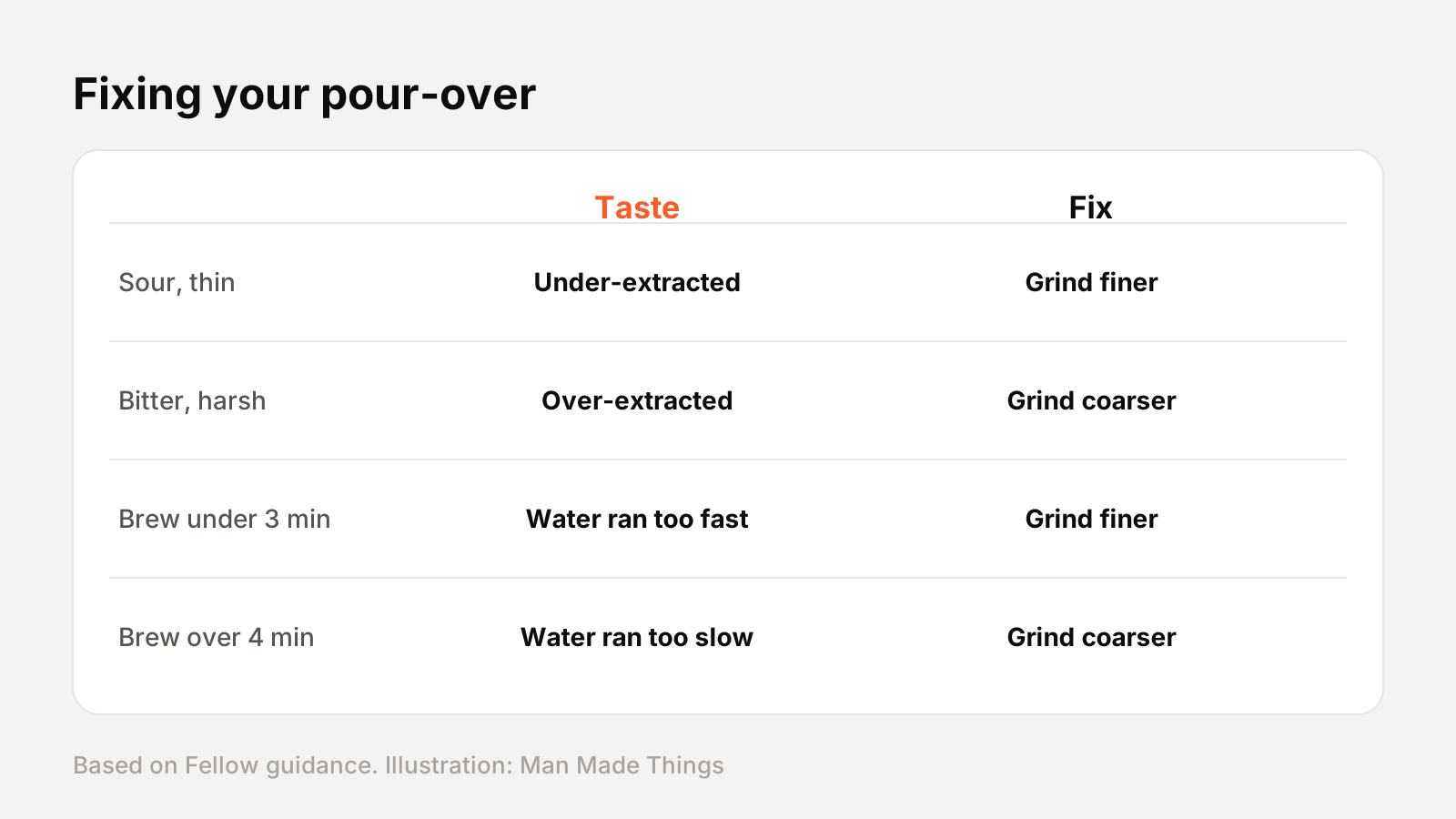
Fellow gives the simplest rule:
- Tastes sour? Grind finer. Sourness usually means the coffee was under-extracted, often because water ran through too quickly.
- Tastes bitter? Grind coarser. Bitterness usually means over-extraction, often because water sat too long.
Change one thing at a time and keep notes. Brew time is a useful clue too: if you finish well under 3 minutes, your grind is probably too coarse. Well over 4, it's probably too fine.
Finally, use good water. Coffee is mostly water, so if your tap water tastes off, filtered water will make a noticeable difference. And store whole beans in an airtight container away from light and heat, then grind only what you need for each brew.
Frequently asked questions
What is the best coffee to water ratio for pour-over?
+
Fellow's recipe uses 22g of coffee to 350g of water, about 1:16. Hario's basic V60 guide uses 15g to 250ml.
What water temperature should I use for pour-over?
+
Fellow recommends 205°F. If you don't have a thermometer, boil the water and let it rest briefly before pouring.
Why do you bloom pour-over coffee?
+
Blooming lets carbon dioxide escape from fresh grounds. Fellow says this gas can make coffee taste sour if it isn't released.
Why does my pour-over taste sour?
+
It's usually under-extracted. Fellow suggests grinding a bit finer.
Sources

Watches & Coffee Writer
Aditya is a passionate coffee lover who loves watches. He covers watches and coffee for Man Made Things.
More from Aditya →