The Best Smart Plugs That Work With Alexa, Google and Apple Home
Three Matter smart plugs that work with every major smart home platform, including one for Apple Home over Thread and one that tracks energy use.
We may earn a commission when you buy through links on this page. Learn more
Quick answer
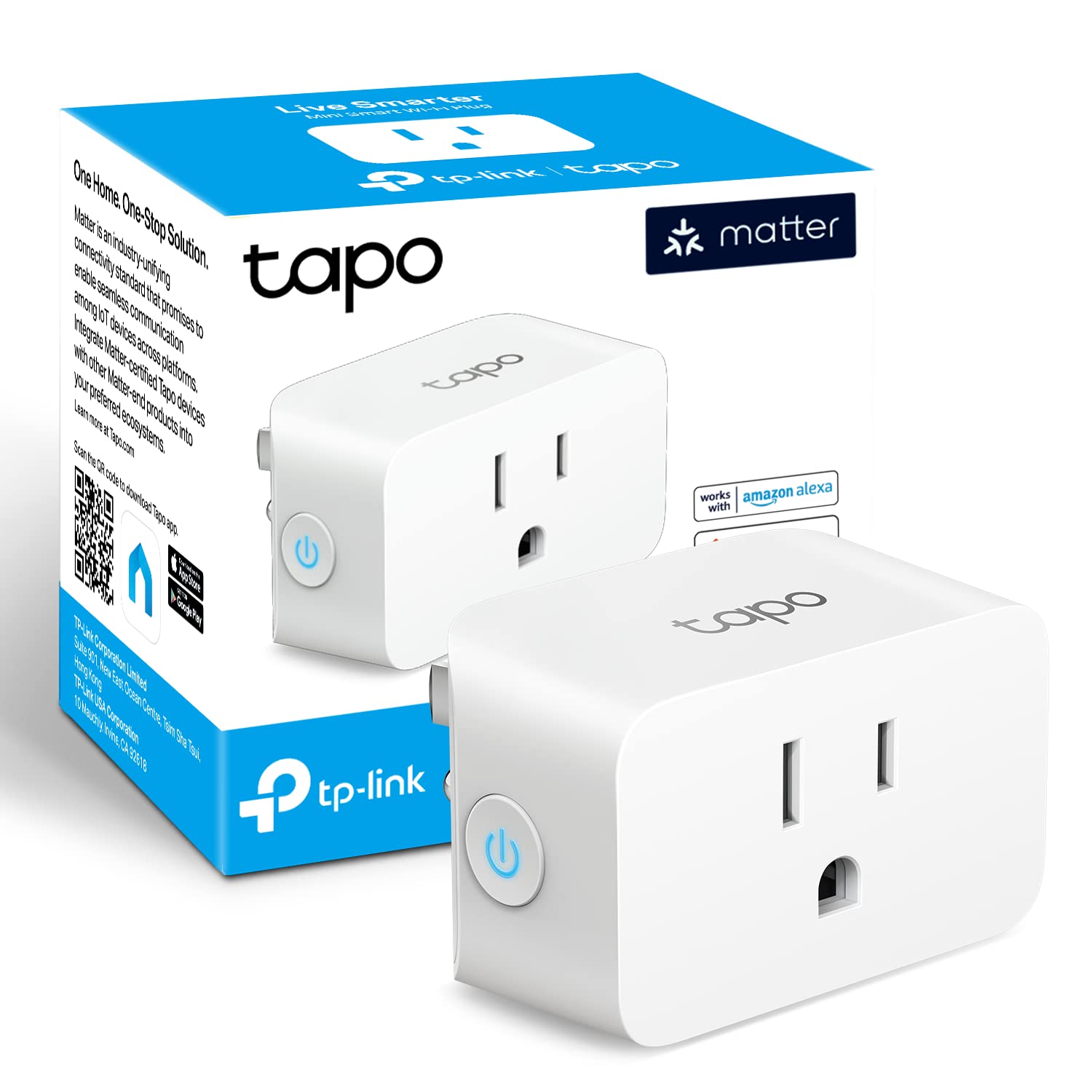
The Tapo P125M ($19.99 list, often on sale) is the best smart plug for most homes: it's Matter-certified, so it works with Alexa, Google Home, Apple Home and SmartThings, and its small size doesn't block the second outlet. The Eve Energy ($43.95) is the pick for Apple Home users who want Thread and energy monitoring, and the Tapo P110M adds energy monitoring for less.
Smart plugs are the easiest way into the smart home. No wiring, no electrician, no hub in most cases. Plug one in, plug a lamp into it, and suddenly that lamp turns on at sunset, switches off when you leave and answers to your voice.
The old problem was compatibility. One plug worked with Alexa, another with Google, a third with Apple, and none of them talked to each other. That's what Matter fixes. A Matter-certified plug works with all the major platforms, so you're not locked in.
So every pick here is Matter-certified. I checked specs and prices on each brand's own US site. These are research-based picks, so no star scores yet. Let's get into it.
Our picks at a glance
1. Best overall
Tapo P125M Matter Smart Plug Mini
This is the plug I'd buy a handful of. It's Matter-certified, so you can add it to Apple Home, Alexa, Google Home or SmartThings, and even more than one at the same time. Setup is quick: scan the Matter code in your platform's app, or use Tapo's own app over Bluetooth.
It's small enough that it doesn't block the second outlet on a standard wall plate, which sounds minor until you've owned a chunky plug that eats both sockets. You get schedules, an auto-off timer and an away mode that switches lights on and off to make it look like someone's home. It also works locally on your network, so your schedules keep running if the internet goes down.
There's no energy monitoring, and it only works on 2.4GHz Wi-Fi, which is common for smart plugs. Tapo's store often has it on sale below the $19.99 list price.
Pros
- 01Works with every major platform through Matter
- 02Compact, doesn't block the second outlet
- 03Local control even if the internet is down
- 04Cheap, often on sale
Cons
- 01No energy monitoring
- 022.4 GHz Wi-Fi only
| Smart home | Matter: Apple Home, Alexa, Google Home, SmartThings |
|---|---|
| Connection | 2.4 GHz Wi-Fi only (Bluetooth for setup) |
| Max load | 15 A, 1,800 W at 120 V |
| Size | 2.4 × 1.5 × 1.3 in, doesn't block the adjacent outlet |
| Features | Schedules, auto-off, away mode, local control |
| Energy monitoring | No |
2. Best for Apple Home
Eve Energy (Matter over Thread)
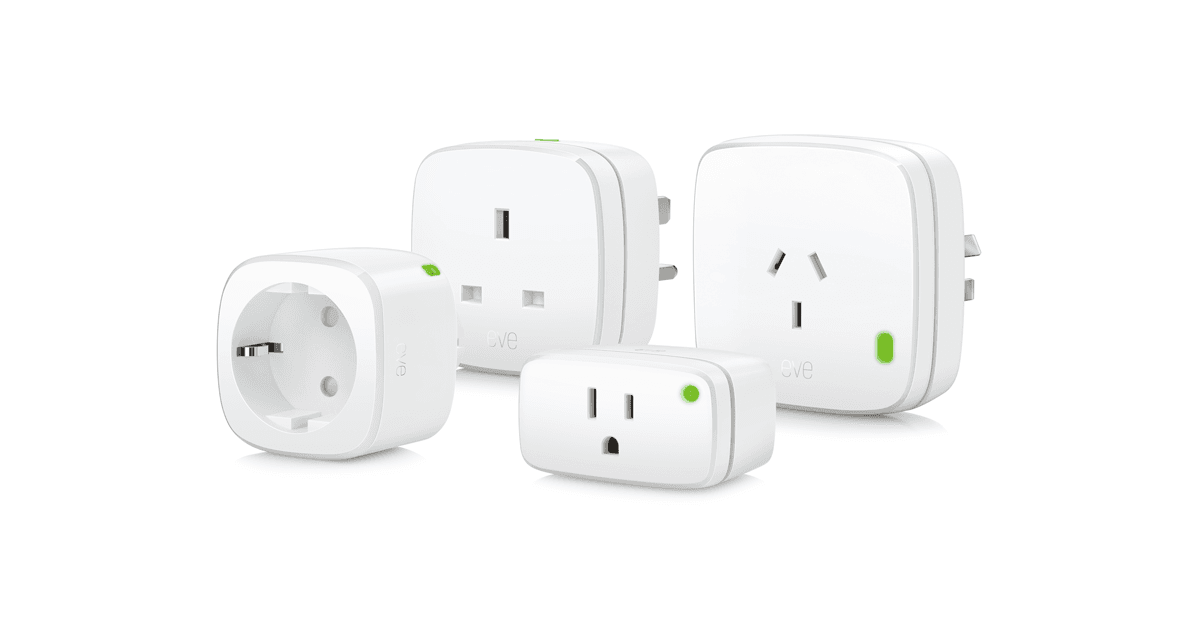
Eve has been making Apple Home accessories for years, and Eve Energy is a smart plug for people who care about privacy and reliability. It uses Thread instead of Wi-Fi. Thread is a low-power mesh network, and every plugged-in Thread device like this one also relays signals for the others, so your network gets stronger as you add devices.
It also measures how much power the connected device uses and estimates the cost. Schedules are stored on the plug itself, so they run without your phone or the internet. Eve says there's no subscription, no registration and no Eve cloud.
The catch is you need a Thread border router. If you use Apple Home, that's an Apple TV 4K, HomePod (2nd generation) or HomePod mini. And at $43.95, it costs more than twice as much as the Tapo.
Pros
- 01Thread mesh is fast and reliable
- 02Energy monitoring with cost estimates
- 03Works without any cloud account
- 04Schedules run on the plug itself
Cons
- 01Needs a Thread border router like an Apple TV or HomePod mini
- 02More than twice the price of Wi-Fi plugs
- 03Advanced features need the Eve app
| Smart home | Matter: Apple Home, Google Home, Alexa, SmartThings, Home Assistant |
|---|---|
| Connection | Thread (needs a Thread border router) |
| Max load | 15 A, 1,800 W at 120 V |
| Energy monitoring | Yes, consumption and projected cost |
| Size (US) | 2.8 × 1.5 × 2.4 in |
| Extras | On-device button, child lock, no cloud account needed |
3. Best with energy monitoring
Tapo P110M Energy Monitoring Smart Plug Mini (2-pack)
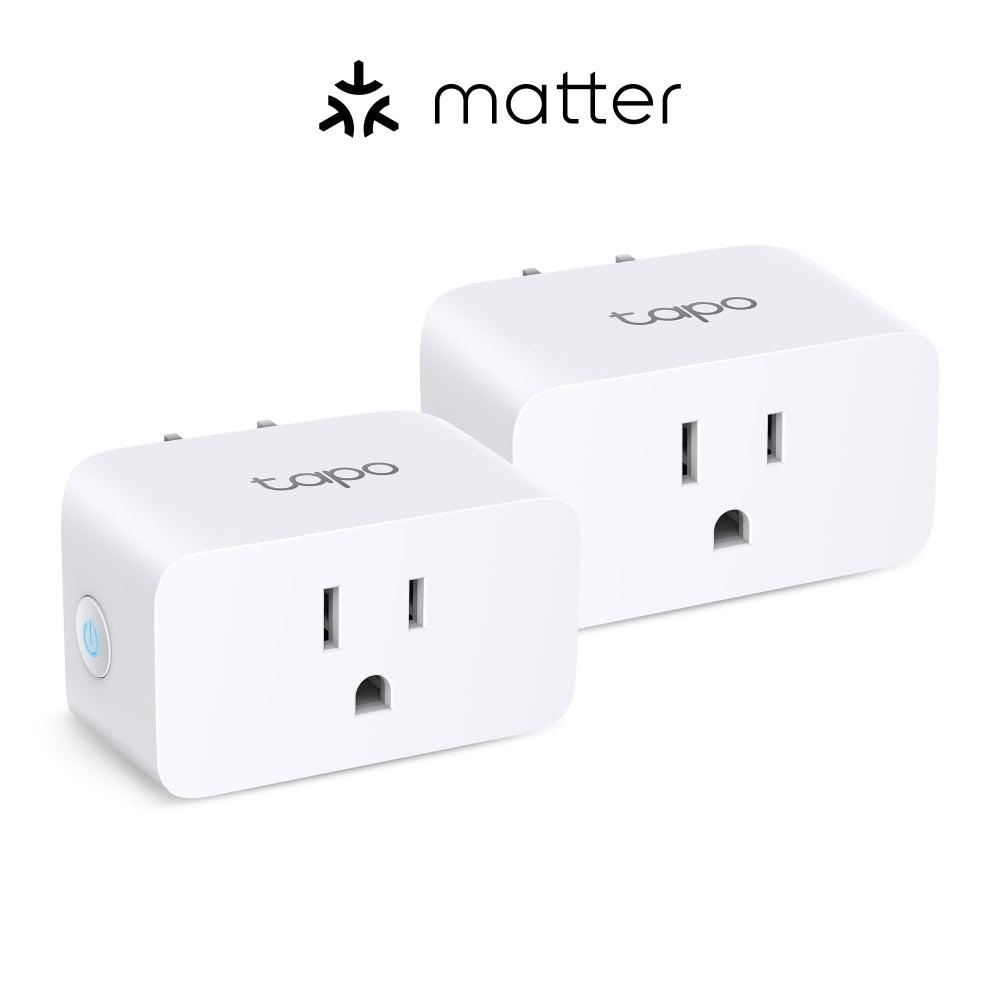
Want to know how much that old fridge in the garage or your gaming PC really costs to run? The P110M is the Tapo plug with energy monitoring built in. It tracks real-time and historical power use and estimates your bill based on your electricity rate.
It's also Matter-certified, so it works across all the major platforms, and it stays compact enough to leave the second outlet free. You can set a power threshold so the plug cuts off if a device draws more than you expect.
On Tapo's US store it's sold in packs: $29.99 for two or $49.99 for four, often discounted. Like the P125M, it needs 2.4GHz Wi-Fi.
Pros
- 01Energy monitoring and bill estimates
- 02Matter support for every platform
- 03Overload protection setting
- 04Good value in multi-packs
Cons
- 01Sold only in packs on Tapo's US store
- 022.4 GHz Wi-Fi only
| Smart home | Matter: Apple Home, Alexa, Google Home, SmartThings |
|---|---|
| Connection | 2.4 GHz Wi-Fi only (Bluetooth for setup) |
| Max load | 15 A, 1,800 W |
| Energy monitoring | Real-time and history, bill estimates |
| Size | 66 × 38 × 40 mm, doesn't block the adjacent outlet |
| Extras | Overload protection, schedules, auto-off, away mode |
Matter, Thread and Wi-Fi explained
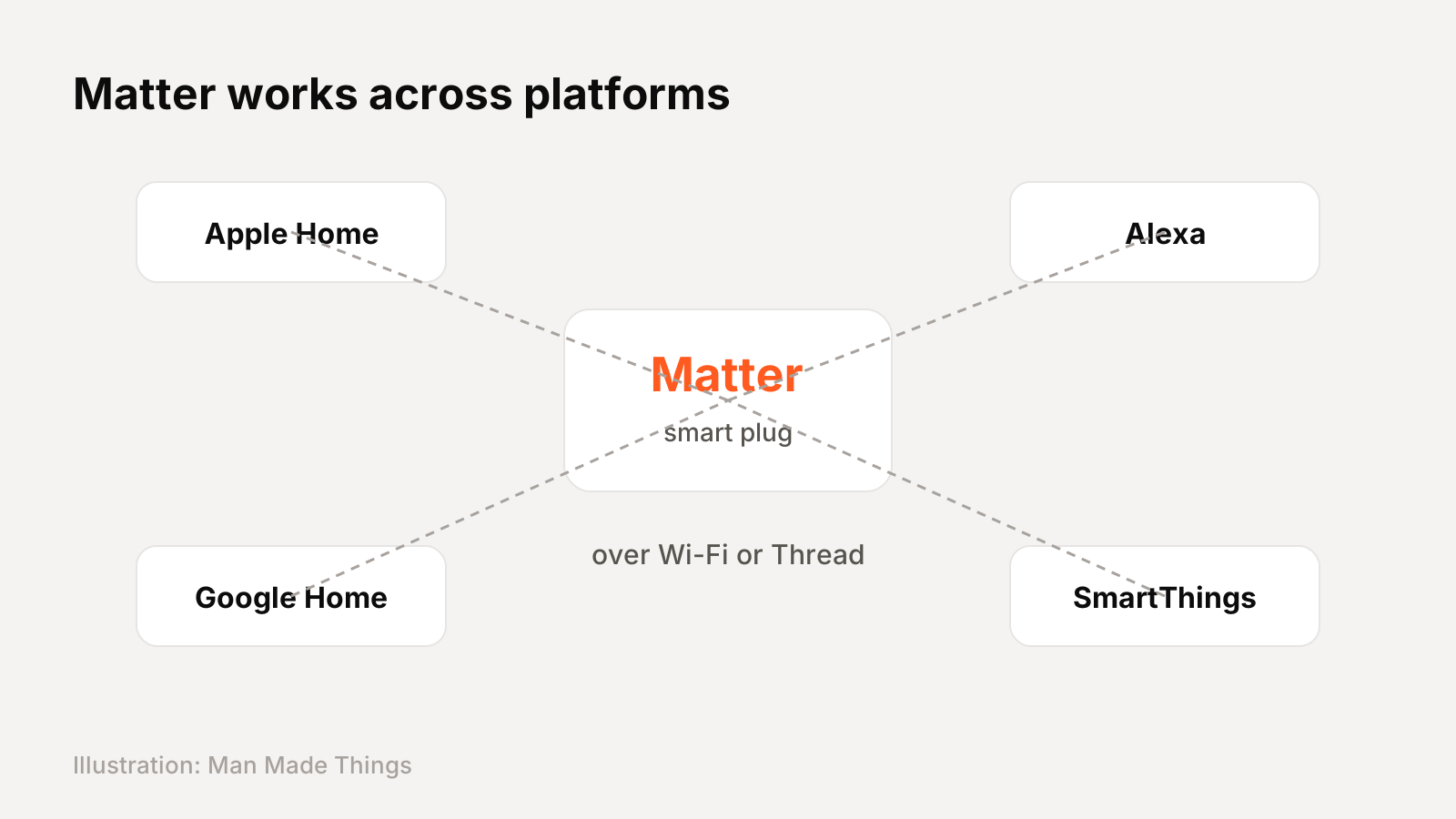
These words get thrown around a lot, so here's the short version.
- Matter is a common language for smart home devices, backed by Amazon, Apple, Google and Samsung SmartThings. A Matter device can be controlled from several platforms at the same time, and it can work locally without the internet.
- Wi-Fi is how most smart plugs connect. It's simple and needs no extra hardware, but lots of Wi-Fi devices can crowd your router.
- Thread is a low-power mesh network made for smart home devices. Google says Thread devices communicate faster than Wi-Fi devices, and each powered Thread device extends the mesh. It needs a Thread border router, which is built into devices like the Apple TV 4K and HomePod mini.
If you're just starting out, a Wi-Fi Matter plug like the Tapo is the easiest choice. If you're building a bigger Apple Home setup, Thread is worth it.
One setup tip: most Wi-Fi smart plugs only connect to 2.4GHz networks, including both Tapo picks here. Many modern routers combine 2.4GHz and 5GHz under one network name, which usually works fine. If setup keeps failing, check your router's app for a 2.4GHz option and keep your phone near the plug during setup. Once it's added, give each plug a clear name like "Living room lamp," because that's the name you'll use with voice assistants.
What not to plug into a smart plug
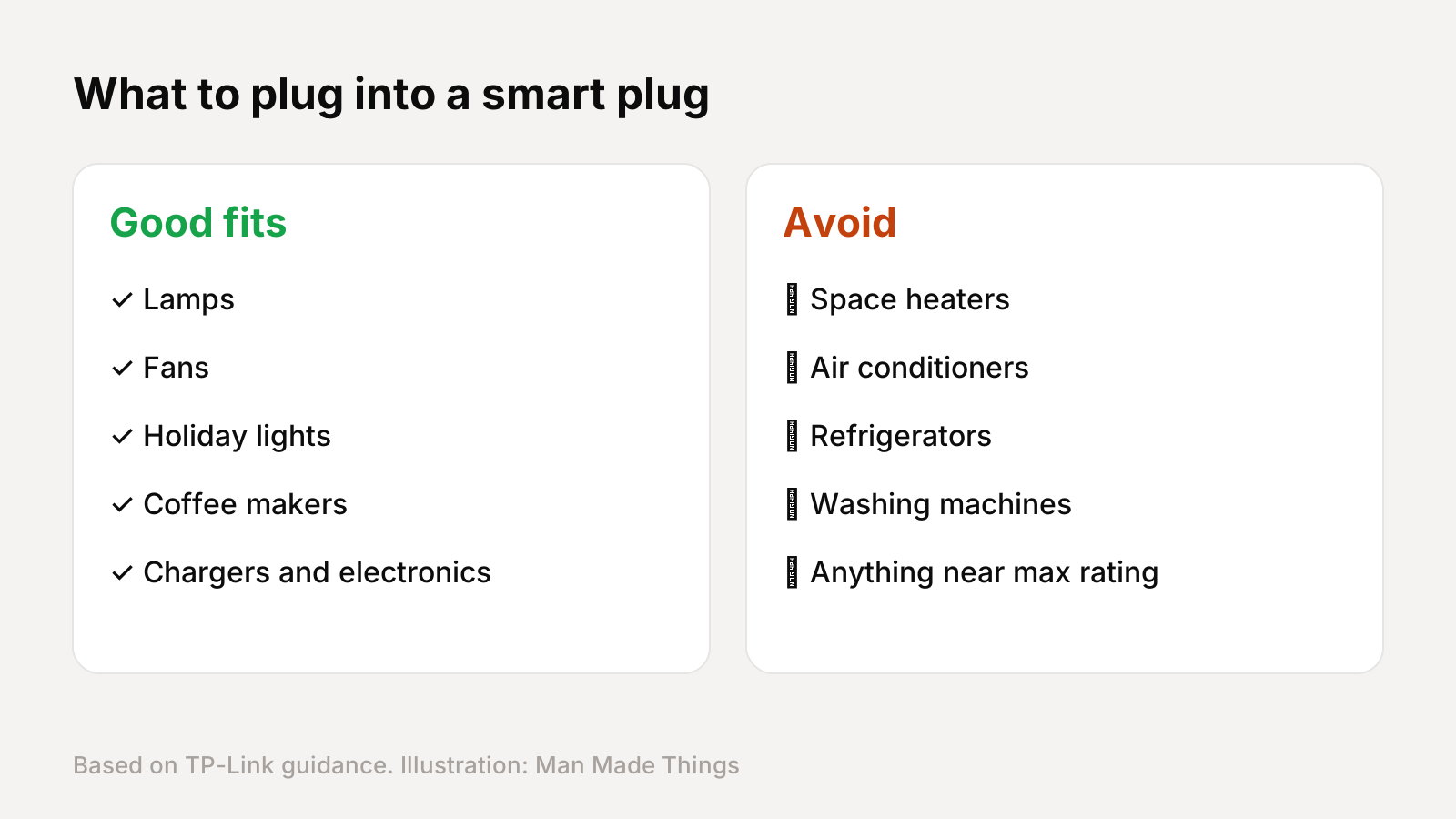
Smart plugs are rated for a maximum load, usually 15 amps or 1,800 watts. But the rating isn't the whole story.
TP-Link's Kasa FAQ says space heaters "often spike above their operating specs when powered on" and are not recommended. TP-Link also says its plugs aren't suitable for high-power inductive loads like air conditioners, refrigerators and washing machines, and recommends keeping continuous use at 80% or less of the maximum rating.
Good uses: lamps, fans, coffee makers you want to schedule, holiday lights, chargers and electronics. When in doubt, check both the plug's manual and the appliance's power draw before you automate it.
Frequently asked questions
What is the best smart plug for Alexa, Google and Apple Home?
+
The Tapo P125M. It's Matter-certified, so it works with Alexa, Google Home, Apple Home and SmartThings, and it doesn't block the adjacent outlet.
Do I need a hub for a smart plug?
+
Not for Wi-Fi plugs like the Tapo P125M. Thread plugs like Eve Energy need a Thread border router, such as an Apple TV 4K or HomePod mini.
Can I plug a space heater into a smart plug?
+
TP-Link recommends against it, because space heaters can spike above their rated power when they turn on.
What is Matter in smart homes?
+
Matter is a common connectivity standard backed by Amazon, Apple, Google and Samsung that lets one device work across multiple smart home platforms.
Sources
Editor-in-Chief
Rahul has been writing about gadgets and software since 2013, first at Thetechhacker and now at Man Made Things. He edits every review on the site and signs off on every verdict.
More from Rahul →