The Best Headphones Over $3,000: Flagship Planars from Dan Clark and Meze
Three flagship audiophile headphones over $3,000: the Dan Clark Audio Expanse, Meze Elite and Meze ARTA, plus planar vs dynamic vs electrostatic drivers and why some need a serious amplifier.
We may earn a commission when you buy through links on this page. Learn more
Quick answer
The Dan Clark Audio Expanse ($4,499.99) is the best flagship headphone for most high-end listeners: a light, open-back planar magnetic design hand-built in San Diego. The Meze Elite ($4,000) is the easiest to drive, working from almost any source. The Meze ARTA ($6,000) is a high-impedance planar built for serious desktop amplifiers.
Above $3,000, headphones stop being gadgets and become instruments. These are hand-built, open-back flagships designed for listening at home, in a quiet room, usually with a dedicated amplifier. They're about hearing recordings with as much detail and as little distortion as possible.
Almost every flagship now uses planar magnetic drivers rather than the dynamic drivers in most headphones. I'll explain why below.
I verified every price and spec on the maker's own US site. Several famous names, including the Sennheiser HE 1, Focal Utopia, Abyss AB-1266, Audeze LCD-5 and STAX SR-X9000, couldn't be verified with US prices this time, so they aren't picks. HiFiMAN's Susvara Unveiled lists at $8,000, but I couldn't confirm its specs. For more affordable wired options, see our best wired headphones. These are research-based picks with no star scores. Let's get into it.
Our picks at a glance
1. Best overall
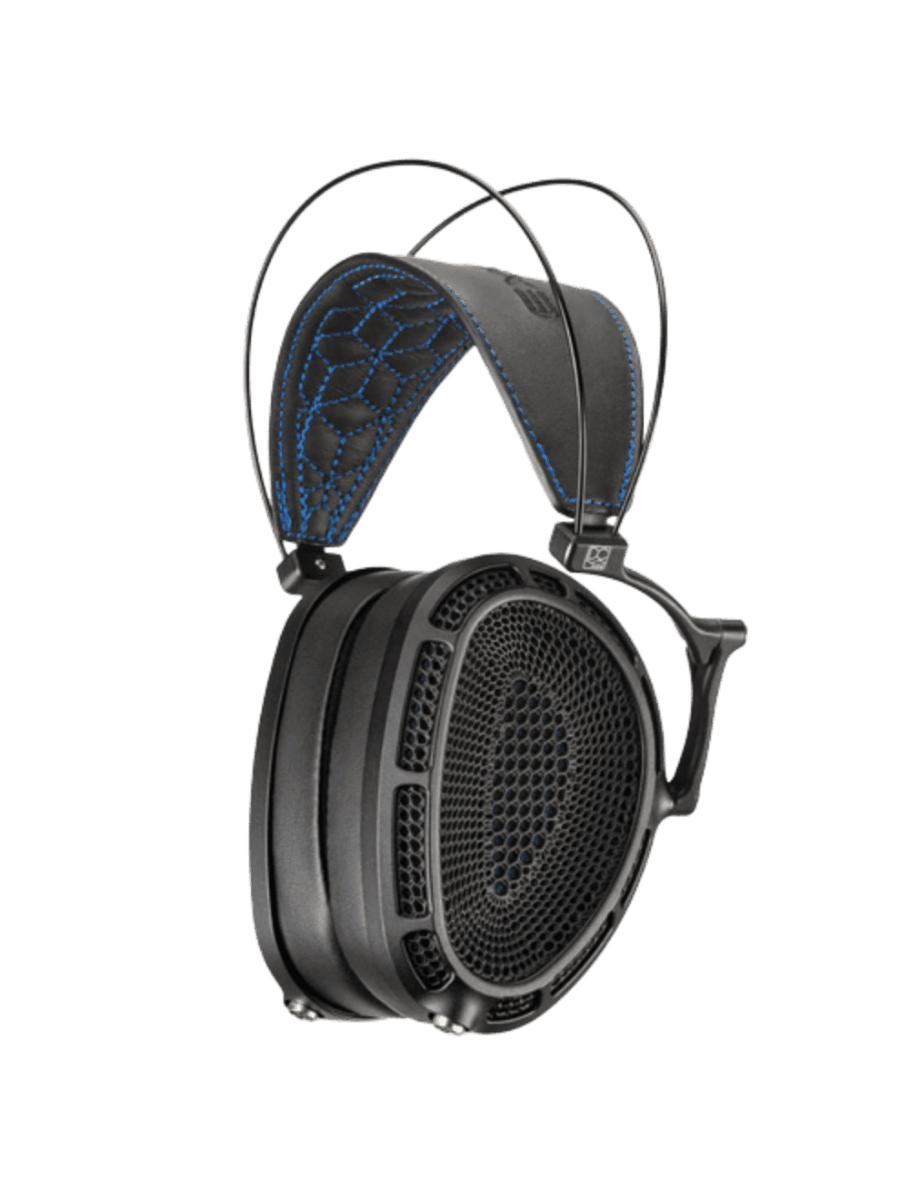
Dan Clark Audio EXPANSE
Dan Clark Audio calls the Expanse its ultimate open headphone, and it's built around a planar magnetic driver with the company's patent-pending acoustic metamaterial tuning, which DCA says removes high-frequency standing waves inside the earcup. The aim is a clean, natural treble that doesn't turn harsh.
It's notably light for a flagship at 418 grams, with a nickel-titanium headband, a carbon-fiber baffle and folding gimbals that pack into a compact case. That makes it one of the few headphones at this level you might actually take on a trip. Each one is hand-built in San Diego, and DCA lets you choose the cable connector to suit your amp.
You'll want a good amplifier. At about 90 dB/mW, its sensitivity is low, so a phone won't do it justice. DCA doesn't publish a frequency-response figure, and as an open-back design, it leaks sound and blocks very little noise.
Pros
- 01Light for a flagship at 418 g
- 02Acoustic metamaterial tuning
- 03Folds into a compact case
- 04Hand-built in San Diego
Cons
- 01Low sensitivity needs a capable amp
- 02No published frequency response
- 03Leaks sound
| Driver | 76 x 51 mm planar magnetic (V-Planar) |
|---|---|
| Design | Open-back |
| Impedance | 26 ohms |
| Sensitivity | About 90 dB/mW |
| Distortion | Under 0.03% THD |
| Weight | 418 g |
| Cable | VIVO, choice of 1/4", XLR, 4.4 mm, 2.5 mm or 3.5 mm |
| Warranty | 2 years, transferable |
2. Easiest to drive
Meze Audio ELITE (Tungsten)

The Elite is Meze's flagship planar, with the striking industrial design the brand is known for. The Tungsten version has a Cerakote-coated frame for extra durability.
Its big advantage is how easy it is to drive. With 101 dB/mW sensitivity and 32-ohm impedance, Meze says the Elite can be driven by almost any source without needing amplification. That's rare at this level and means you can enjoy it from a good portable player or laptop DAC, then upgrade your amp later.
Meze quotes a very wide frequency range of 3 Hz to 112 kHz, with distortion under 0.05 percent. At 433 grams, it's a little heavier than the Expanse, and like every open-back headphone, it isn't for noisy places or shared rooms. The standard warranty is two years.
Pros
- 01Drives from almost any source, per Meze
- 02Wide claimed frequency range
- 03Durable Cerakote finish
- 04Striking design
Cons
- 01Open-back leaks sound
- 02Heavier than the Expanse
- 032-year warranty
| Driver | Rinaro Isodynamic Hybrid Array, 102 x 73 mm planar |
|---|---|
| Design | Open-back, circumaural |
| Impedance | 32 ohms |
| Sensitivity | 101 dB SPL/mW at 1 kHz |
| Frequency range | 3 Hz – 112 kHz |
| Weight | 433 g |
| Connector | Dual 4-pin mini-XLR |
| Warranty | 2 years |
3. Best for desktop amps
Meze Audio ARTA
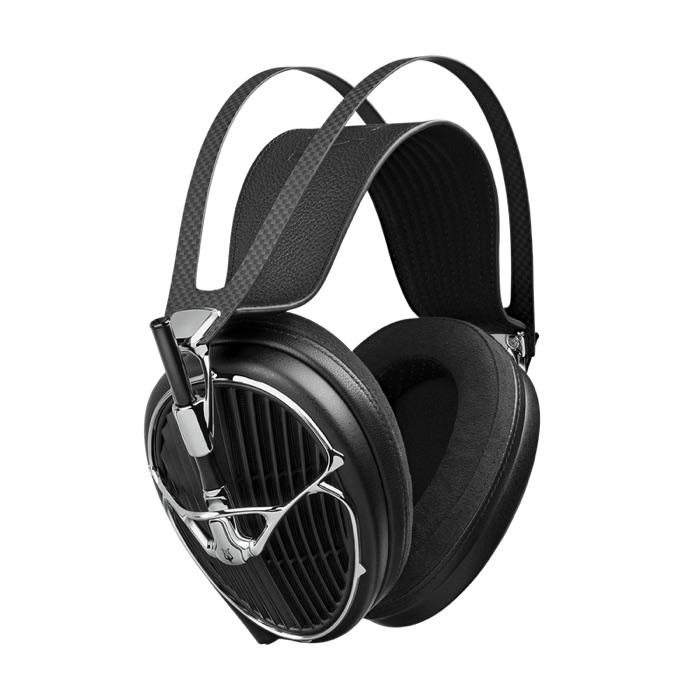
The ARTA takes a different approach. Meze calls its driver the highest-impedance planar magnetic transducer to date, at 225 ohms. Most planars run at low voltage and high current; the ARTA is designed to work at high voltage and low current, more like high-end dynamic headphones.
Meze says that makes the sound consistent regardless of your amplifier's output impedance, and that cable resistance has a negligible effect. In plain terms, it's designed to sound the way it should on a wide range of high-quality amps.
The trade-off is that it needs one. Meze says the ARTA is designed for desktop amplification and performs best with capable desktop DAC and amp setups, so this isn't a portable headphone. It's also the heaviest pick at 495 grams and the most expensive at $6,000. On the plus side, registering it extends the warranty to four years.
Pros
- 01High-impedance planar design
- 02Consistent sound across amps
- 034-year warranty with registration
- 04Very wide frequency range
Cons
- 01Needs a desktop amplifier
- 02Heaviest at 495 g
- 03Most expensive at $6,000
| Driver | Rinaro high-impedance Isodynamic Hybrid Array (MZ5 HΩ) |
|---|---|
| Design | Open-back, circumaural |
| Impedance | 225 ohms |
| Sensitivity | 98 dB SPL/mW at 1 kHz |
| Frequency range | 3 Hz – 115 kHz |
| Weight | 495 g |
| Connector | Dual 4-pin mini-XLR |
| Warranty | 4 years with registration |
Planar vs dynamic vs electrostatic drivers
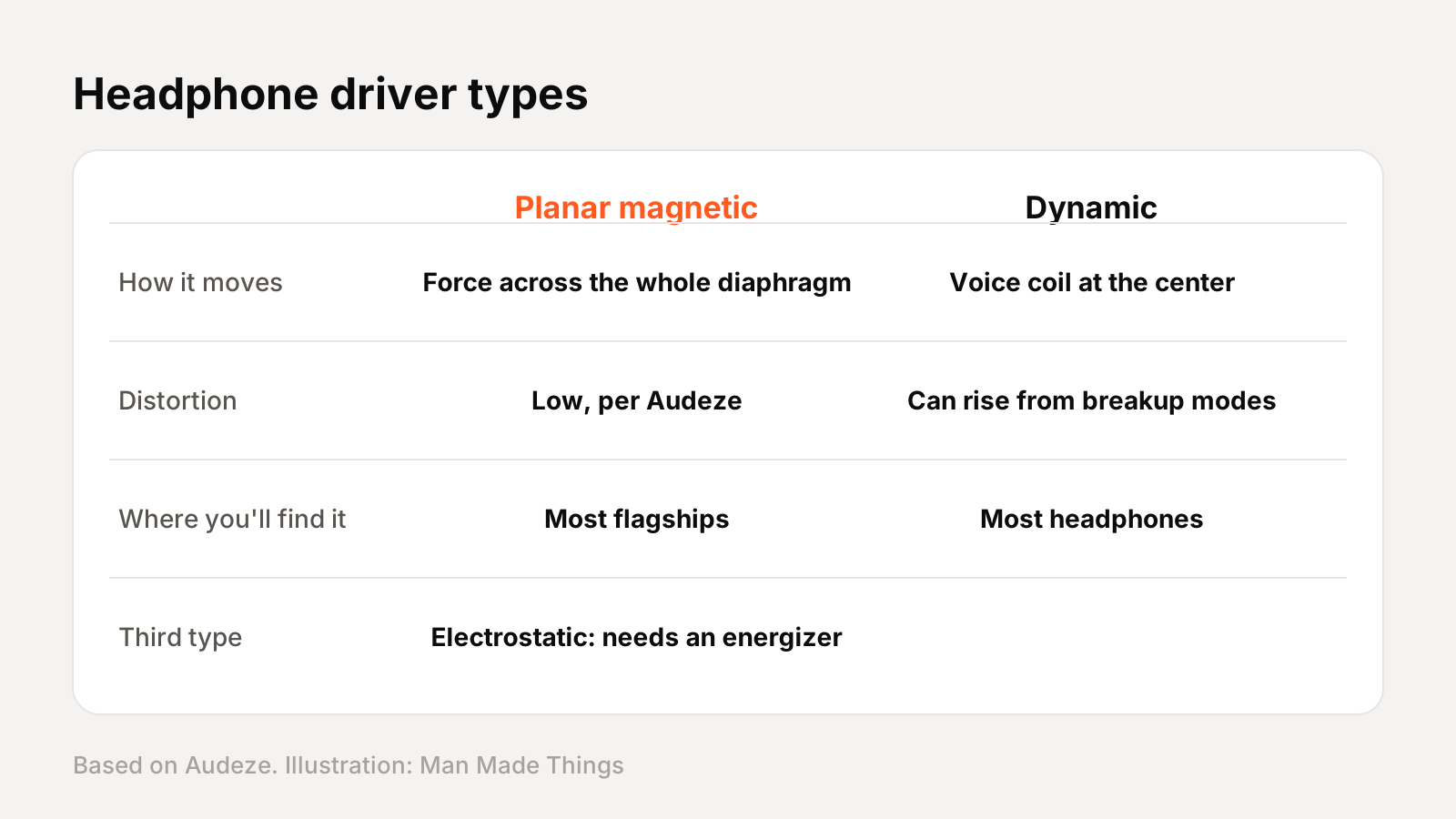
There are three main ways to make sound in a headphone, and Audeze, a planar headphone maker, explains them well.
- Dynamic: most headphones use these. Audeze says they're usually driven by a voice coil attached near the center of a cone. Because the force starts in the middle, the outer parts of the cone can flex unevenly, which Audeze says causes distortion.
- Planar magnetic: a thin, flat diaphragm with a conductive pattern sits between magnets. Audeze says this produces a uniform driving force across the entire diaphragm, which is why planars are prized for low distortion and detail. All three picks here are planar.
- Electrostatic: a very thin, charged diaphragm sits between two perforated plates. Audeze says it's driven by equal but opposite high-voltage signals. STAX is the best-known maker, and electrostatics need a special energizer rather than a regular headphone amp.
Great headphones exist in all three types. Planar has simply become the go-to design for flagships.
Do you need a dedicated amplifier?
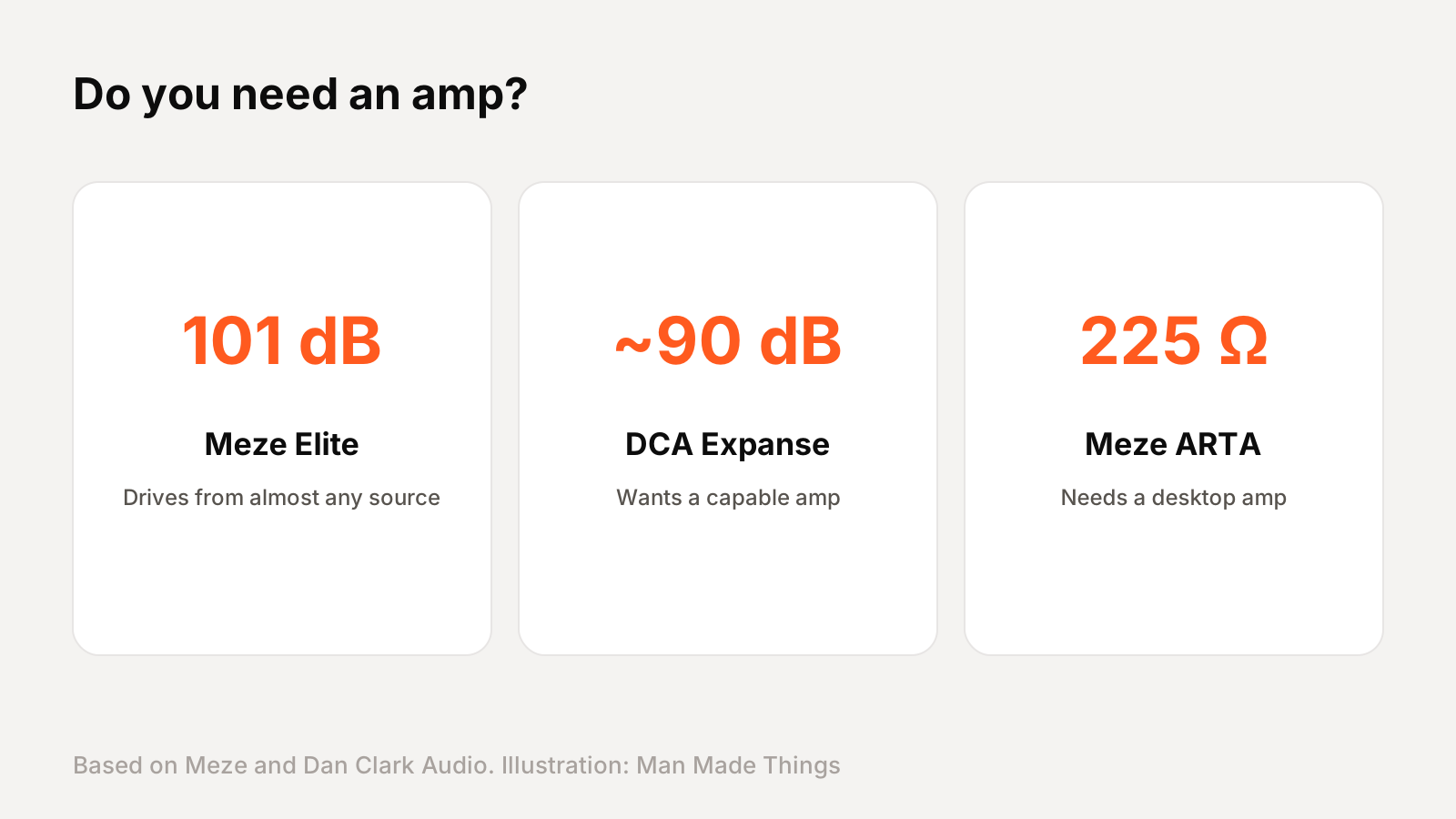
It depends on two numbers: sensitivity, how loud a headphone plays from a given power, and impedance, how much voltage it needs.
Our three picks cover the full range:
- Meze Elite: 101 dB/mW and 32 ohms. Meze says it can be driven by almost any source without amplification.
- Dan Clark Expanse: about 90 dB/mW and 26 ohms. Low sensitivity means it needs a lot of current, so a capable headphone amp is recommended.
- Meze ARTA: 225 ohms. Meze says it's optimized for high-voltage sources and desktop amp setups.
Electrostatic headphones are a special case: they need a dedicated energizer, because a normal headphone amp can't supply the high voltage they run on.
My advice: budget for a good DAC and amp alongside a flagship headphone. At this level, a cheap source will hold back what you paid for.
Frequently asked questions
What are the best headphones over $3,000?
+
The Dan Clark Audio Expanse ($4,499.99), Meze Elite ($4,000) and Meze ARTA ($6,000), all open-back planar magnetic flagships.
Do expensive headphones need an amplifier?
+
Many do. Meze says the Elite runs from almost any source, but the ARTA needs a desktop amp and the Expanse benefits from a capable one.
What is a planar magnetic headphone?
+
A headphone with a thin, flat diaphragm driven evenly across its surface by magnets. Audeze says this gives uniform driving force and low distortion.
Are open-back headphones good for travel?
+
Not really. They leak sound and block little noise. The Dan Clark Expanse folds into a compact case, but it's still best for quiet rooms.
Sources
Editor-in-Chief
Rahul has been writing about gadgets and software since 2013, first at Thetechhacker and now at Man Made Things. He edits every review on the site and signs off on every verdict.
More from Rahul →