The Best Dive Watches Under $1,000: Orient, Seiko and Tissot
Three automatic dive watches under $1,000 with real water resistance, a proper rotating bezel and specs checked against each brand's own site.
We may earn a commission when you buy through links on this page. Learn more
Quick answer
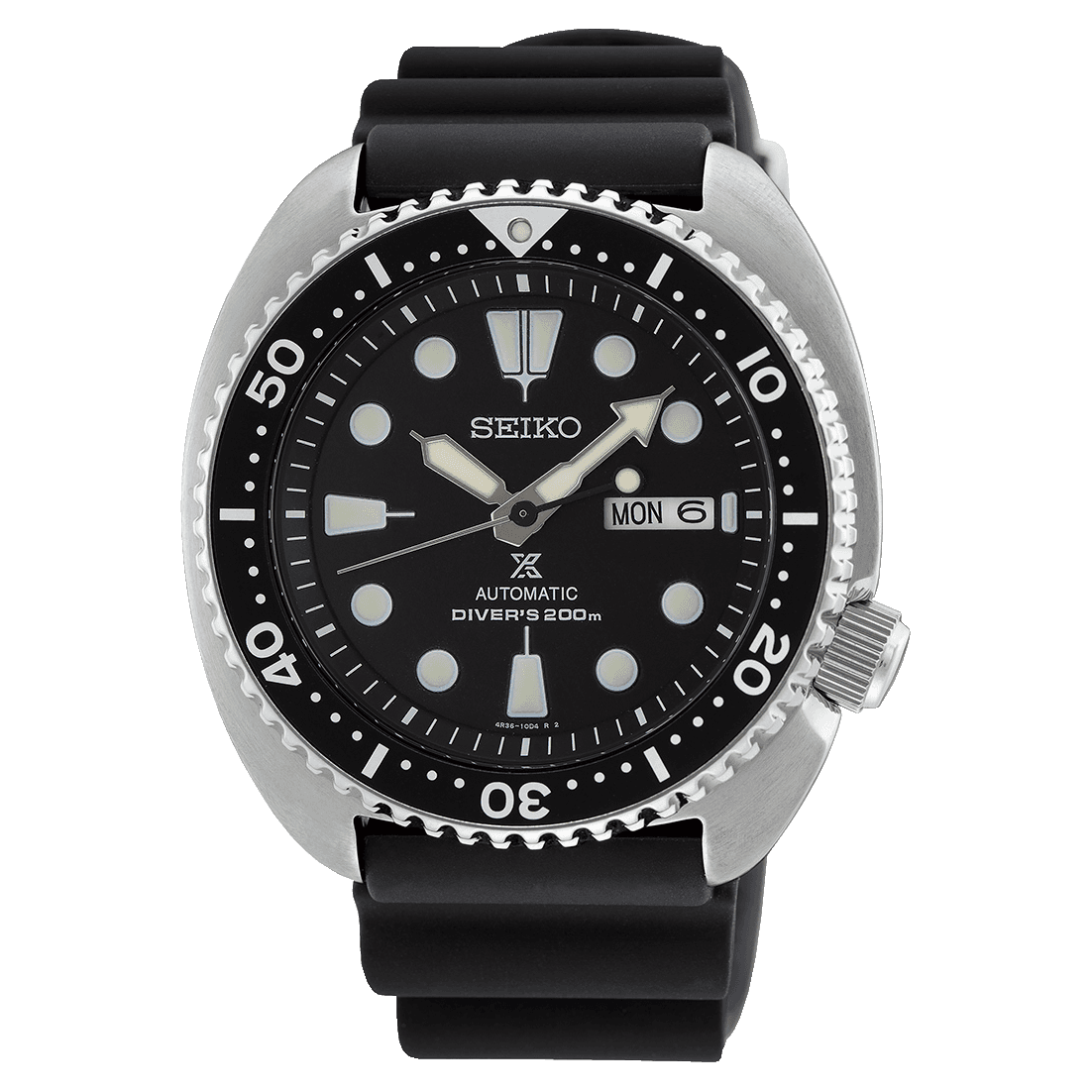
The Tissot Seastar 1000 Powermatic 80 ($875) is the best dive watch under $1,000, with 300m water resistance, a sapphire crystal and an 80-hour power reserve. The Seiko Prospex SRPE93 ($525) is the classic ISO-rated choice, and the Orient Kamasu (list $580, often on sale) gives you sapphire and 200m for the least money.
Most people who buy a dive watch will never wear it deeper than a hotel pool. That's fine. A good diver is just a tough, readable, water-resistant watch you can wear with almost anything, and that's exactly why it's the most popular watch style out there.
The problem is the market is flooded with "dive-style" watches that look the part and aren't. A rotating bezel and a black dial don't make a dive watch. So for this list I only looked at automatics with at least 200m of water resistance, a one-way bezel and a screw-down crown, and I checked every spec and price against the brand's own US site.
These are research-based picks. I haven't finished hands-on testing on all three yet, so there are no star scores here. Let's get into it.
Our picks at a glance
1. Best overall
Tissot Seastar 1000 Powermatic 80 40mm
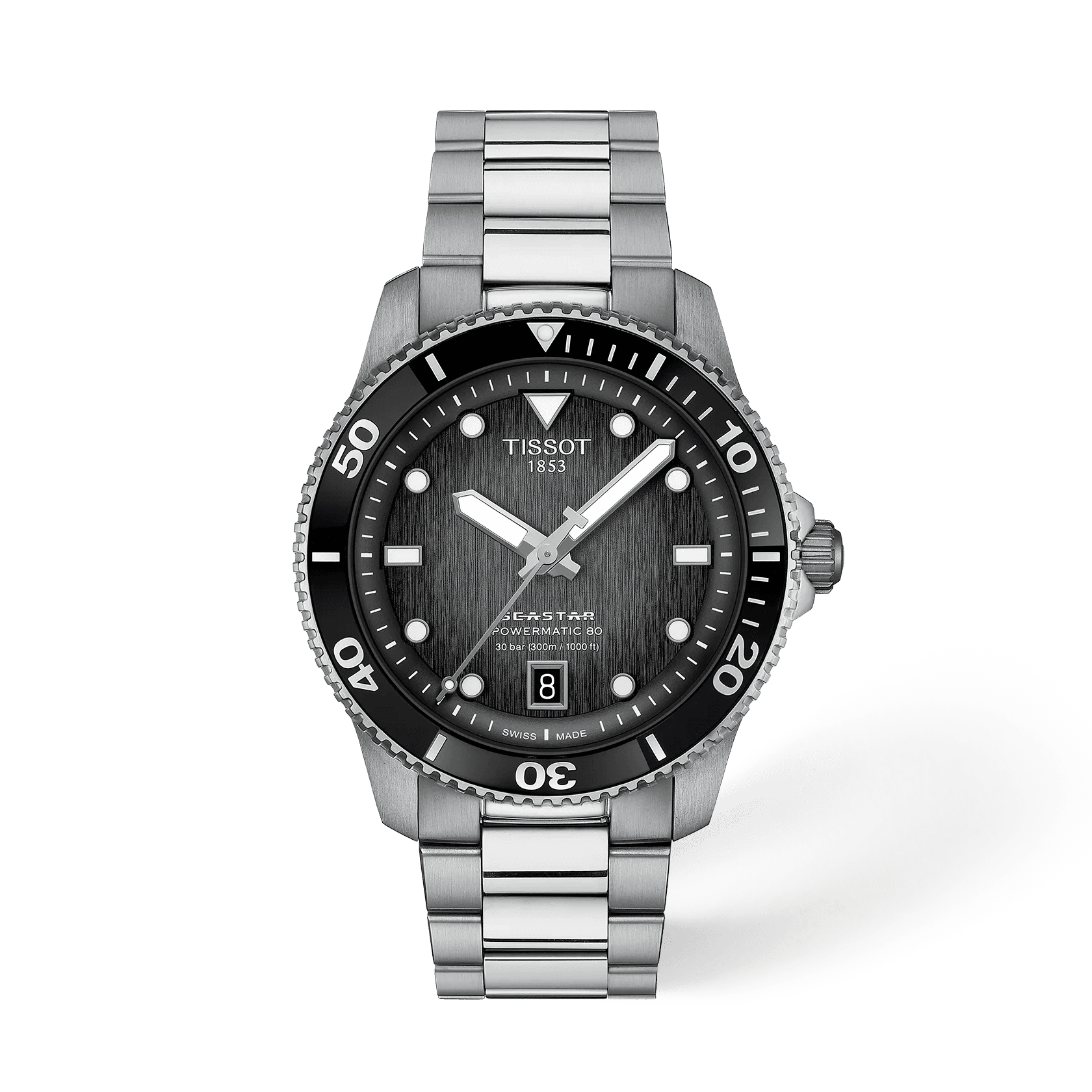
This is the one I'd buy with $1,000 in my pocket. The 40mm case is the sweet spot for most wrists, it's rated to 300m, and the crystal is sapphire, so it won't pick up scratches the way mineral glass does.
The real party trick is the movement. Tissot's Powermatic 80 runs for about 80 hours on a full wind. Take it off on Friday night and it's still running on Monday morning, which most watches at this price can't do. It also uses a Nivachron balance spring that Tissot says resists magnetism better than a standard one.
At $875 it's the most expensive pick here. You're paying for the Swiss movement and the finishing, and I think it's worth it.
Pros
- 0180-hour power reserve survives a weekend off the wrist
- 02300 m water resistance
- 03Sapphire crystal
- 0440 mm fits most wrists
Cons
- 01Most expensive pick
- 02Bezel insert is printed glass, not ceramic
| Case | 40 mm, 12.48 mm thick, 316L steel |
|---|---|
| Lug width | 20 mm |
| Movement | Powermatic 80 automatic, Nivachron balance spring |
| Power reserve | About 80 hours |
| Water resistance | 300 m (30 bar) |
| Crystal | Sapphire |
| Extras | Quick-release strap system, 2-year warranty |
2. Best classic
Seiko Prospex SRPE93
If you ask ten watch people for a first dive watch, half of them will say "get a Turtle." The SRPE93 is that watch: the cushion-shaped Prospex case that fans call the Turtle, with a plain black dial and day-date.
Here's what sets it apart from the other two. Seiko says it meets ISO standards for scuba diving, so it's a real tool watch, not just a watch that happens to be water resistant. The 4R36 movement is also one of the most proven automatics in the world, and you can wind it by hand.
The catch is size. At 45mm it wears big, though the short, curved case helps. And the crystal is Hardlex, not sapphire, so it'll scratch more easily.
Pros
- 01Meets ISO standards for scuba diving
- 02Proven 4R36 movement with hand-winding
- 03Day-date display
- 04Lowest list price of the three
Cons
- 0145 mm wears large on small wrists
- 02Hardlex crystal, not sapphire
- 03About 41 hours of power reserve
| Case | 45 mm, 13.4 mm thick, stainless steel |
|---|---|
| Lug width | 22 mm |
| Movement | Seiko 4R36 automatic, hand-winding, 24 jewels |
| Power reserve | About 41 hours |
| Water resistance | 200 m, ISO-compliant for scuba diving |
| Crystal | Hardlex (Seiko's hardened mineral glass) |
| Strap | Silicone |
3. Best value
Orient Kamasu
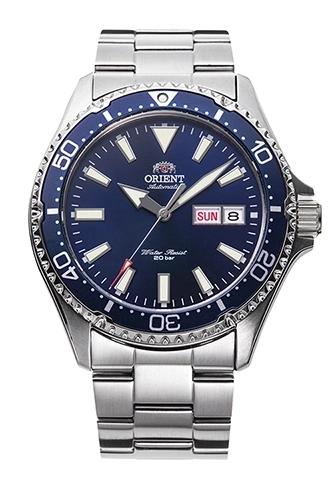
The Kamasu is the watch I point people to when they want the most watch for the least money. Orient lists it at $580, but it's regularly on sale on Orient's own site for well under $400, and at that price nothing else here comes close.
You get a sapphire crystal, which the Seiko doesn't have, plus 200m of water resistance, a screw-down crown and a 120-click bezel. The 41.8mm case is a much easier fit than the Seiko's 45mm. The F6922 movement is made in-house by Orient, and it hacks (the seconds hand stops when you pull the crown), so you can set it to the second.
Orient doesn't claim ISO certification, though, so think of this as a very capable everyday diver rather than a certified tool watch.
Pros
- 01Sapphire crystal at a budget price
- 0241.8 mm case suits most wrists
- 03Hacking, hand-winding in-house movement
- 04Frequent sales on Orient's site
Cons
- 01No ISO dive certification claimed
- 02About 40 hours of power reserve
- 03Sale prices change often, so check before you buy
| Case | 41.8 mm, 12.8 mm thick, 47 mm lug to lug, stainless steel |
|---|---|
| Lug width | 22 mm |
| Movement | Orient F6922 automatic, hand-winding and hacking |
| Power reserve | About 40 hours |
| Water resistance | 200 m |
| Crystal | Sapphire |
| Bezel | 120-click unidirectional |
What makes a real dive watch?
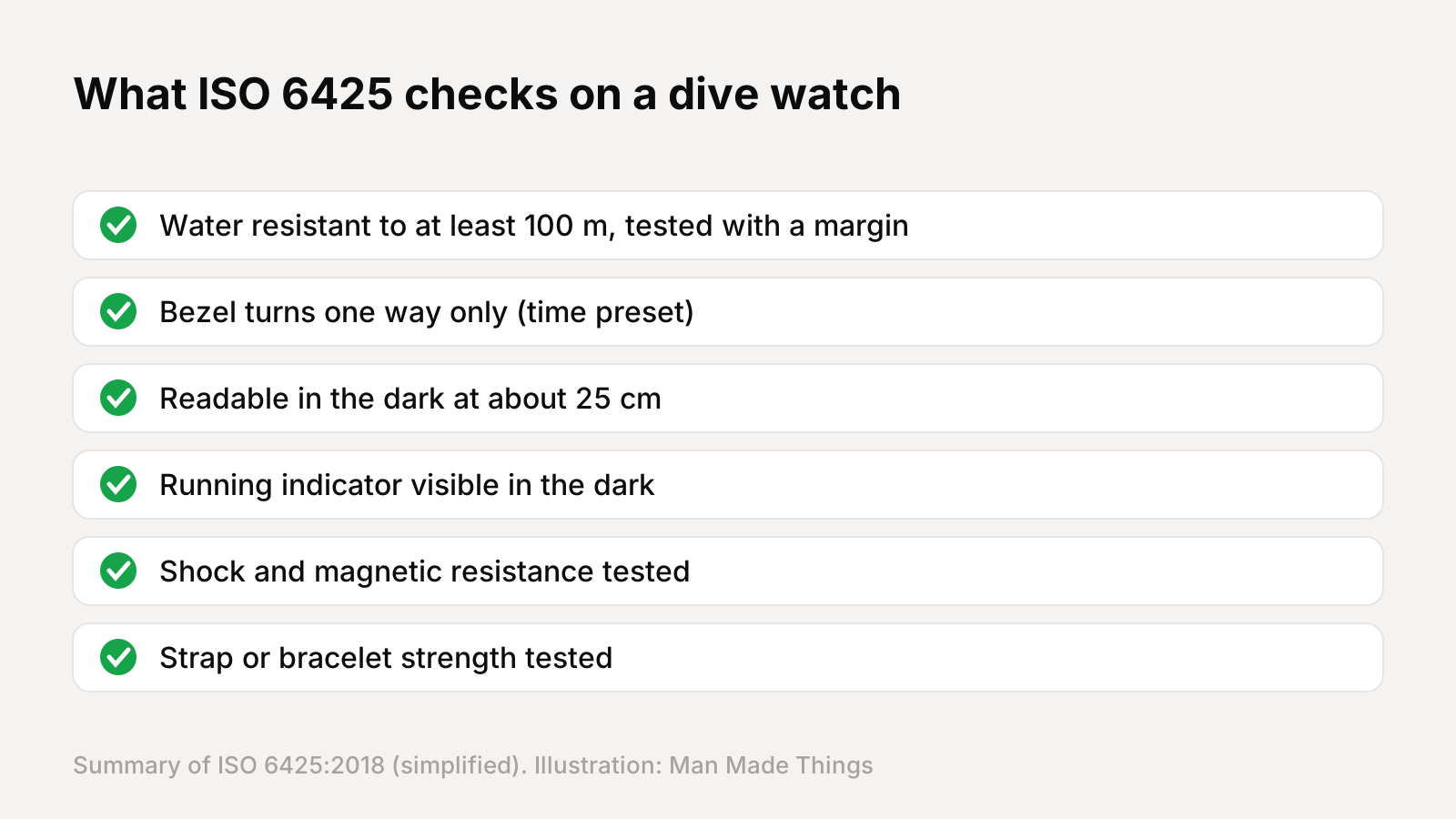
There's an actual standard for this, called ISO 6425. A watch that meets it has been tested for things like water resistance with a safety margin, a bezel that only turns one way, and a dial you can read in the dark from about 25 cm.
Why one way? If the bezel gets knocked by accident, it can only make your remaining dive time look shorter, never longer. That's the safe direction to fail.
Most people don't need ISO certification. But it's a useful signal that a brand built the watch for real use. For everyday wear, look for at least 200m, a screw-down crown and a one-way bezel.
How to pick the right size
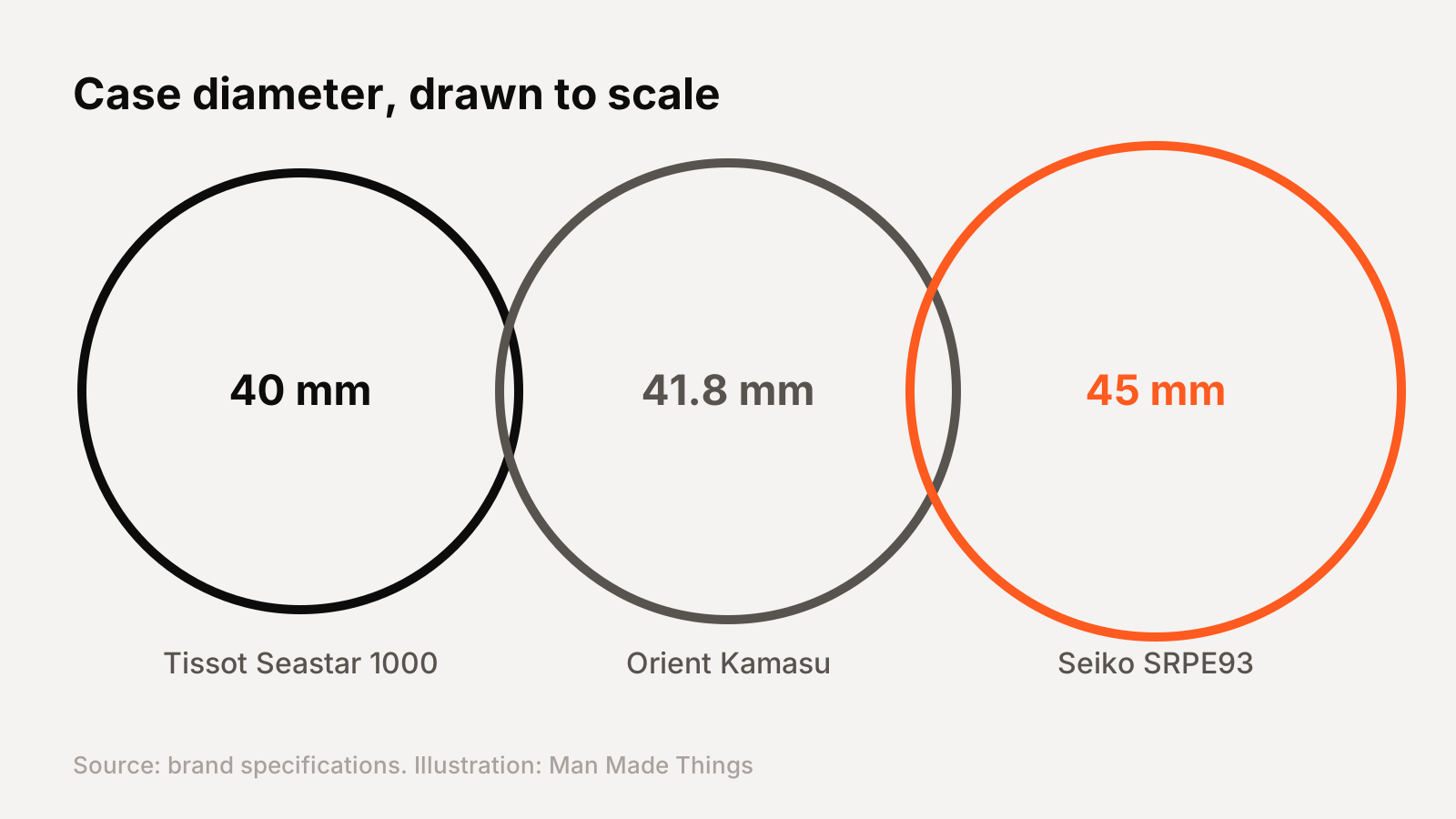
Case diameter matters more than almost any other spec, and it's the one people get wrong most. A watch that's too big slides around and catches on cuffs.
As a rough guide, if your wrist is under about 6.5 inches around, stay at 40mm or below. Between 6.5 and 7.5 inches, 40 to 42mm works for most people. Above that, the Seiko's 45mm will look right at home.
Also check lug-to-lug length, which is the distance from the top lugs to the bottom ones. If the lugs hang past the edges of your wrist, the watch will look too big no matter what the diameter says.
Do you really need 200m or 300m?
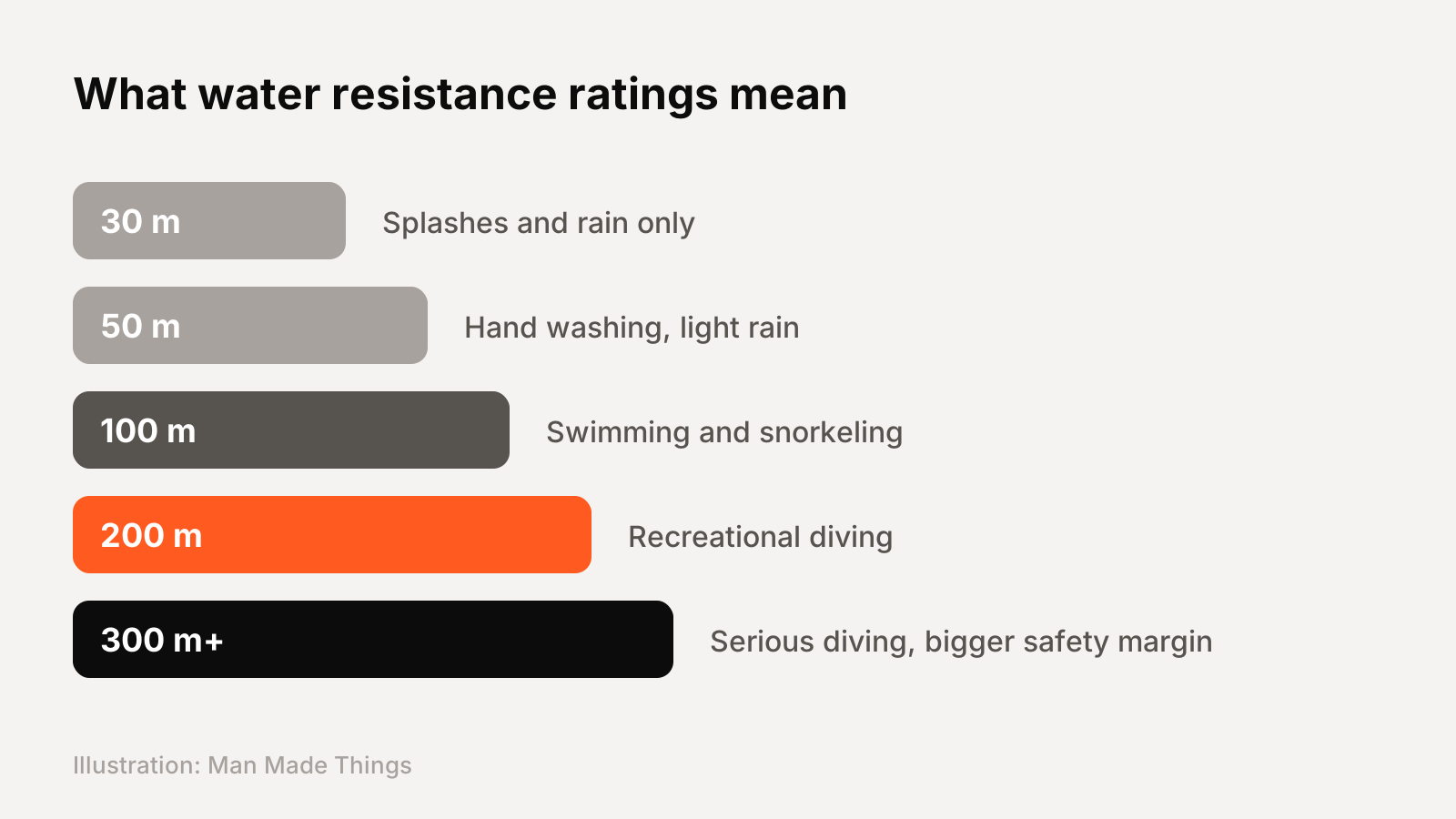
Water resistance ratings come from pressure tests, not real dives. A watch rated to 30m or 50m is fine with splashes but shouldn't go swimming. At 100m you can swim and snorkel. At 200m and above, you're in true dive watch territory.
So no, you don't need 300m to swim laps. But a higher rating usually means tougher gaskets and a more solid build, and it gives you a bigger safety margin as the seals age. Whatever you buy, have the gaskets checked when the watch is serviced.
Frequently asked questions
What is the best dive watch under $1,000?
+
The Tissot Seastar 1000 Powermatic 80 40mm is our top pick at $875. It has 300m water resistance, a sapphire crystal and an 80-hour power reserve.
Is the Seiko Turtle a real dive watch?
+
Yes. Seiko says the Prospex SRPE93 meets ISO standards for scuba diving at up to 200 meters.
Can I swim with a 200m dive watch?
+
Yes. A 200m rating is more than enough for swimming and snorkeling. Make sure the crown is screwed down before you get in the water.
Automatic or quartz for a dive watch?
+
Both work. Automatics need no battery but need regular wear or winding. Quartz divers are more accurate and need a battery change every few years.
Sources

Watches & Coffee Writer
Aditya is a passionate coffee lover who loves watches. He covers watches and coffee for Man Made Things.
More from Aditya →